

Table of Contents
- Understanding the Basics of Domain Flipping
- Identifying Profitable Domain Names
- Strategies for Successful Domain Acquisition
- Maximizing Your Return on Investment
- Navigating the Risks in Domain Flipping
- Q&A
- Wrapping Up
Understanding the Basics of Domain Flipping
Domain flipping involves the practice of buying and selling domain names for a profit. It’s akin to real estate investing, but in the digital landscape. Investors scout for undervalued domains, focusing on memorable names or those that align with trending keywords. Once acquired, these domains are held for a period, during which market demand may increase, allowing for higher resale values. The key is to identify potential value in a domain beyond its current market price. This could involve observing emerging trends, popular phrases, or the general growth of specific industries.
Effective domain flipping requires a keen understanding of factors that contribute to a domain’s worth. Essential aspects include:
- Length: Short domains tend to be more valuable due to their ease of recall.
- Keyword Richness: Domains that contain popular search terms can attract higher traffic, thus raising value.
- Brandability: Domains that are catchy or brandable often command a premium price.
Once a domain is in your possession, successful sales can hinge on effective marketing strategies. Utilizing platforms like domain auction sites, leveraging social media channels, or engaging with potential buyers through email outreach can significantly boost visibility. Additionally, creating a simple website or landing page for the domain can showcase its potential and attract interested parties. Consider the following table as a quick reference for sales strategies:
| Strategy | Benefits |
|---|---|
| Domain Auctions | Wide exposure and competitive bidding |
| Social Media Marketing | Target specific audiences and engage directly |
| Email Outreach | Personalized approach to reach potential buyers |
Identifying Profitable Domain Names
When venturing into the world of domain flipping, the first step is honing your skills in identifying lucrative domain names. A profitable domain name not only captures interest but also reflects potential future value. Look for domains that are short, memorable, and easy to spell. These characteristics are crucial for making a strong impact in the competitive online marketplace.
Next, consider the significance of keywords. Domains that contain relevant keywords can offer substantial SEO benefits, granting them higher visibility on search engines. Focus on domains that are related to trending industries or evergreen topics. A domain name featuring a high search volume keyword can be a goldmine for prospective buyers. Here are some strategies to enhance your domain selection:
- Use tools like Google Trends and keyword planners to identify popular terms.
- Observe current market trends by following niche blogs and forums.
- Investigate existing domain marketplaces to understand pricing and demand.
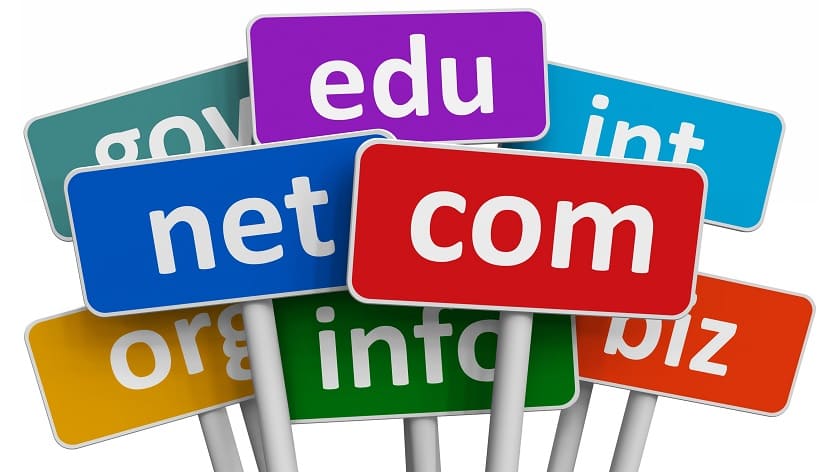
Lastly, don’t underestimate the importance of domain extensions. While .com remains the gold standard, alternative extensions like .io or .co may hold niche significance. Assess the brandability of the name based on its extension and its relevance to potential buyers. Below is a simple comparison of domain extensions:
| Extension | Usage | Target Audience | Perceived Value |
|---|---|---|---|
| .com | General | All | Highest |
| .net | Technology | Tech Savvy Users | Moderate |
| .org | Non-Profit | Organizations | Moderate |
| .io | Startups | Tech Companies | Increasing |
| .co | Business | Entrepreneurs | Moderate |

Strategies for Successful Domain Acquisition
Acquiring a domain successfully requires a blend of strategic planning, market knowledge, and negotiation skills. One of the first steps in this process is conducting thorough research to identify potential domains that not only appeal to you but also have existing value in terms of traffic and brand relevance. This can include checking domain age, relevant keywords, and market trends. Make use of tools like
To truly capitalize on your domain flipping endeavors, it’s essential to adopt a strategic approach. Start by conducting thorough market research. Identify trending keywords, emerging industries, and popular niches. Tools like Google Trends, Ahrefs, and SEMrush can provide valuable insights into market dynamics and domain value. This will enable you to acquire domains that are not only desirable but are poised for appreciation, increasing the potential for a lucrative sale. Another critical element in optimizing your return is the effective presentation of your domain. When listing a domain for sale, highlight its value proposition. Use persuasive copy and professional aesthetics, including high-quality graphics and concise descriptions. Consider the following elements: actively engage with relevant communities and networking platforms. Join forums, utilize social media channels, and contribute to discussions. Here, you can promote your listings and establish yourself as a knowledgeable participant in the domain flipping space. Consider leveraging platforms such as:
Step
Description
Research
Identify domains with potential value.
Budget
Define your price range based on domain value.
Negotiate
Discuss terms with the seller intelligently.
Due Diligence
Check legalities and use an escrow service.

Maximizing Your Return on Investment
| Platform | Description |
|---|---|
| Flippa | A popular marketplace for buying and selling domains. |
| GoDaddy Auctions | Well-known auction site for domain sales. |
| NamePros | An interactive forum for domain investors and enthusiasts. |
By combining these tactics, you can maximize your returns and enhance your overall effectiveness in the domain flipping industry.

Navigating the Risks in Domain Flipping
Engaging in domain flipping involves navigating a landscape fraught with various risks. One of the primary concerns is the potential for investing in domains that may not appreciate in value as anticipated. A poorly chosen domain can result in significant financial loss, especially if it holds no intrinsic appeal or relevance to current market trends. Therefore, thorough research is paramount before making any purchase. It’s crucial to assess not just the domain’s name but also its history, potential branding opportunities, and alignment with future digital spaces.
Another challenge faced by domain flippers is the legal implications surrounding domain ownership. Issues such as trademark infringements can lead to disputes that may jeopardize a domain’s value. Those entering this arena should familiarize themselves with best practices, including conducting proper background checks and utilizing resources like the United States Patent and Trademark Office (USPTO) database. This vigilant approach helps minimize the likelihood of legal conflicts and protects your investments.
Market saturation adds another layer of complexity; as more investors enter the domain flipping space, competition increases significantly. To stay ahead, it is vital to identify niche markets and target specific industries that are currently underserved. Developing a solid strategy can include:
- Monitoring emerging trends
- Participating in online forums and groups
- Utilizing keyword tools for domain suggestions
Ultimately, success in domain flipping relies on a keen understanding of these risks and the ability to navigate them with informed decisions.
Q&A
Q&A: What is Domain Flipping?
Q1: What exactly is domain flipping? A: Domain flipping refers to the practice of purchasing domain names with the intention of reselling them at a higher price. It’s akin to buying undervalued real estate, improving its appeal, and selling it to the highest bidder. Q2: How do people choose which domains to flip? A: Successful domain flippers typically look for domain names that are concise, memorable, and relevant to popular trends or industries. Keywords that have strong search volume and potential for commercial value are particularly desirable. Q3: Where can I buy domains for flipping? A: Domains can be purchased from various registrars such as GoDaddy, Namecheap, or Google Domains. Auction sites like Flippa and Sedo are also excellent platforms where flippers can find domains that other users are selling. Q4: How do you determine the value of a domain? A: The value of a domain can fluctuate based on several factors, including its length, keyword relevance, market demand, and historical sales data. Tools like Estibot and GoDaddy’s appraisal tool can provide estimates, but understanding market trends is equally important. Q5: Is domain flipping a profitable venture? A: It can be lucrative if done correctly. Some domain flippers make considerable profits by selling domains for thousands of dollars, while others may struggle to break even. Success often requires research, patience, and a keen sense of market dynamics. Q6: What are the risks involved in domain flipping? A: Like any investment, domain flipping comes with risks. Factors such as market saturation, the potential for trademarks issues, and fluctuating demand for certain keywords can impact profitability. It’s vital to conduct thorough research before making purchases. Q7: How can I make my flipped domain more appealing to buyers? A: Enhancing a domain’s appeal can involve creating a simple website or landing page, developing a brand identity, or even researching potential end-users who might benefit from the domain. Effective marketing through social media or domain trading forums can also help attract buyers. Q8: What should I do if my domain doesn’t sell? A: If your domain isn’t selling, consider reassessing its value. You might need to lower the asking price, improve its visibility through search engine optimization, or employ different marketing tactics to reach potential buyers. Sometimes, holding onto a valuable domain might be better until demand increases. Q9: Can anyone start flipping domains? A: Absolutely! With minimal initial investment, anyone can begin to flip domains. However, gaining expertise in market trends, valuation, and negotiation skills will enhance your chances of success in this dynamic field. Q10: What’s the best way to get started with domain flipping? A: Start by educating yourself about the domain market and current trends. Experiment with purchasing a few domains to understand the process. Join online communities and forums where domain flippers share insights, and continuously refine your approach based on feedback and results. With persistence and strategy, you can carve out your niche in the domain flipping landscape.Wrapping Up
As we wrap up our exploration of domain flipping, it’s clear that this niche market offers both challenges and exciting opportunities for savvy investors and entrepreneurs. Whether you’re just getting started or looking to refine your strategy, understanding the nuances of this digital real estate venture can set you on a path to success. Remember, the key to thriving in domain flipping lies in thorough research, creativity, and a keen eye for value. So, are you ready to dive into the world of domain flipping? Embrace the journey, stay informed, and with patience and persistence, you could turn your digital dreams into profitable realities. Happy flipping!