

Table of Contents
- Explore the Best Platforms to Sell Your Domain for Free
- Understanding Domain Valuation for Effective Selling
- Crafting Compelling Listings to Attract Buyers
- Effective Marketing Strategies for Free Domain Sales
- Navigating the Post-Sale Process: What You Need to Know
- Q&A
- To Wrap It Up

Explore the Best Platforms to Sell Your Domain for Free
When it comes to selling your domain, several platforms allow you to do so without incurring any fees, maximizing your profit. Here are some of the best options:
- GoDaddy Auctions: A well-known marketplace where you can list your domain for free. This platform attracts millions of buyers, increasing your chances of a successful sale.
- NameCheap Marketplace: With a user-friendly interface, NameCheap offers a seamless selling experience. You can easily list your domain and reach a broad audience of potential buyers.
- Flippa: Although normally associated with selling websites, Flippa also allows the listing of domains without any upfront costs. You only pay a commission upon a successful sale.
Each of these platforms offers unique features that cater to different seller needs. Here’s a quick comparison:
| Platform | Listing Fee | Commission | Audience Size |
|---|---|---|---|
| GoDaddy Auctions | Free | 6.5% of sale price | Large |
| NameCheap Marketplace | Free | None | Moderate |
| Flippa | Free | 15% of sale price | Growing |
In addition to these platforms, consider leveraging social media and community forums to spread the word about your domain sale. Targeted posts on platforms like Twitter, LinkedIn, and specialized groups can drastically increase visibility. Engaging with relevant online communities allows you to connect with potential buyers directly, making the selling process even more efficient.

Understanding Domain Valuation for Effective Selling
Domain valuation is a nuanced process that goes beyond mere speculation; it requires a keen understanding of several key factors. Market demand plays a significant role, as the perceived value of a domain fluctuates based on current trends and industries. When evaluating a domain, consider its age, the type of extension (like .com, .net, or .org), and whether it has existing backlinks that contribute to its authority. Additionally, keyword relevance can significantly impact valuation; domains that contain popular search terms often attract higher bids from prospective buyers.
Another critical aspect is the domain’s brandability. A memorable and catchy domain can often command a premium price. For effective selling, invest time in assessing how easy it is for users to remember and spell the domain. Factors that influence brandability include:
- Length: Shorter domains tend to be more desirable.
- Clarity: Ensure that the name conveys the intended message without confusion.
- Uniqueness: A unique domain is less likely to be confused with existing brands.
don’t underestimate the power of appraisal tools and market comparisons. Platforms offering domain appraisal services can provide valuable insights into how similar domains are priced, helping you gauge your domain’s potential worth accurately. The table below summarizes some popular tools and their notable features:
| Appraisal Tool | Key Features |
|---|---|
| Estibot | Automated domain evaluations; historical domain sales data. |
| GoDaddy Appraisal | Expert valuation; local market trends. |
| Sedo | Marketplace insights; similar domain analysis. |
| NameBio | Extensive sales database; advanced search filters. |
Crafting Compelling Listings to Attract Buyers
When you’re ready to list your domains for sale, it’s crucial to make them stand out in a crowded marketplace. Begin by crafting a strong title that clearly conveys the value of your domain. A great title might include essential keywords that potential buyers might be searching for. For instance, if you’re selling a domain related to eco-friendly products, try to integrate appealing terms like “green,” “sustainable,” or “organic.” This strategic keyword placement not only attracts attention but also helps your listing rank better in search results.
Next, devote time to writing a compelling description. Detail the unique features and potential uses of your domain. Here’s a quick cheat-sheet to guide you in this process:
- Highlight Industry Trends: Mention how the domain fits into current market trends.
- Potential Applications: Offer ideas on how the domain can be utilized, such as for a blog, e-commerce site, or portfolio.
- Emphasize Brandability: Describe what makes the domain memorable and brandable.
Incorporate a clear call-to-action that encourages potential buyers to take the next step. Don’t simply wait for inquiries; invite engagement! You might say something like, “Contact me today to make this domain yours,” or “Send an offer and let’s make a deal!” Additionally, it can be beneficial to provide a comparison table showcasing your domain against others in the market to illustrate its value:
| Domain Name | Price | Age (Years) | Keyword Relevance |
|---|---|---|---|
| EcoFriendlyProducts.com | $500 | 5 | High |
| GreenGadgetStore.com | $450 | 3 | Medium |
| SustainableLivingZone.com | $600 | 4 | High |

Effective Marketing Strategies for Free Domain Sales
To stand out in the competitive arena of domain selling, leveraging SEO techniques is crucial. Targeting specific keywords that potential buyers might search for can dramatically enhance your visibility. Incorporate these keywords into your domain listings, blog posts, and promotional materials. Additionally, consider optimizing your website’s loading speed and mobile responsiveness, as these factors contribute significantly to user experience and search engine ranking.
Utilizing social media platforms can amplify your reach and create engagement around your domain offerings. Join relevant groups on platforms like Facebook and LinkedIn, where you can share insights, answer queries, and promote your domains. A consistent presence can establish you as an authority in the field. Don’t forget to use visually appealing graphics or videos showcasing your domains effectively—these formats are more likely to grab attention and encourage sharing.
| Strategy | Description |
|---|---|
| Email Marketing | Send newsletters featuring your latest domain listings and special offers. |
| Content Marketing | Create blog posts that discuss domain trends and tips for buyers. |
| Influencer Partnerships | Collaborate with influencers to reach a broader audience interested in domain investments. |
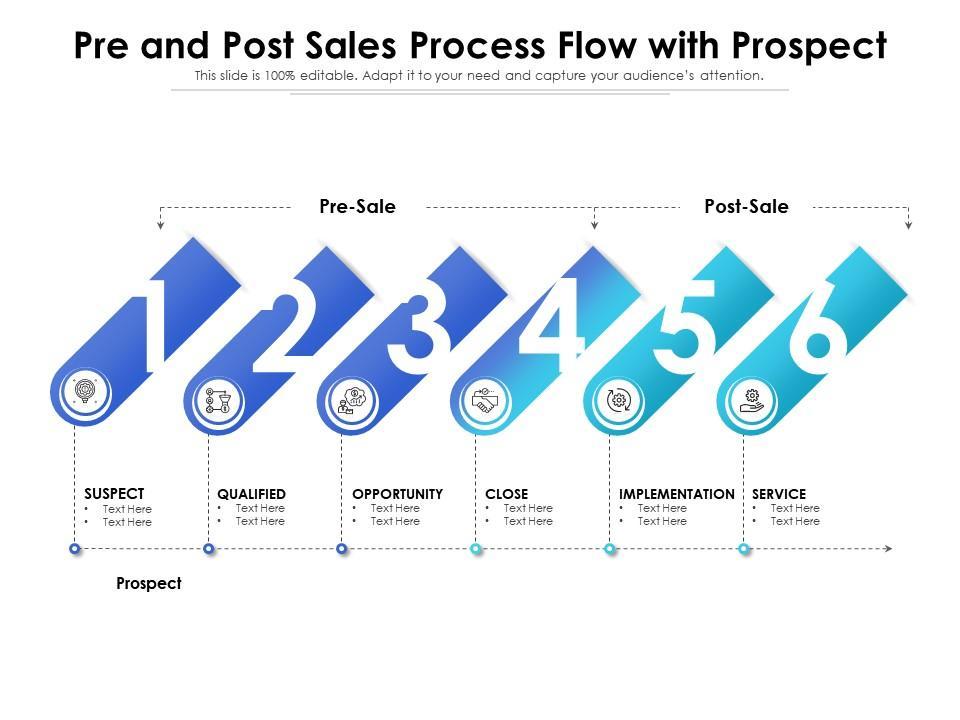
Navigating the Post-Sale Process: What You Need to Know
Once you’ve successfully sold your domain, the post-sale process is critical to ensuring a smooth transition for both you and the buyer. Start by drafting a transfer agreement that outlines all the essential details. This document should include:
- Domain Name: Clearly specify the domain being sold.
- Sale Price: Document the agreed-upon sale price.
- Transfer Methods: Discuss how the domain will be transferred, whether through a registrar account or a third-party service.
- Timeline: Set clear deadlines for the transfer process to avoid misunderstandings.
After formalizing the agreement, it’s time to initiate the domain transfer process. Most domain registrars offer a straightforward procedure for this, which typically involves unlocking the domain and obtaining an authorization code. Make sure to keep the buyer informed throughout this phase. Provide them with detailed instructions on:
- Unlocking the Domain: How to unlock the domain on their end.
- Authorization Code: How to retrieve and use the code if applicable.
- DNS Settings: What changes, if any, need to be made post-transfer.
Lastly, don’t forget to confirm the successful transfer once it’s complete. This provides closure to the transaction and helps build trust. Consider sending a brief follow-up email that includes:
| Action Item | Status |
|---|---|
| Domain Transfer Confirmation | ✅ Completed |
| Payment Received | ✅ Completed |
| Follow-Up Email Sent | ✅ Completed |
This not only demonstrates professionalism but also opens the door for future transactions or referrals. Maintaining a positive relationship post-sale can greatly benefit your reputation as a seller in the long run.
Q&A
Q&A: Selling Domains for Free
Q1: Can I really sell domains for free? A: Yes, you can sell domains for free using various online platforms that allow you to list your domains without charging any fees. Look for marketplaces that do not take a commission or offer free listings, and you can retain all the profit from your sale.Q2: What are some popular platforms to sell my domains for free? A: Some well-known platforms where you can sell your domains without incurring fees include Sedo, NamePros, and Flippa. Additionally, you might consider using social media platforms and forums to promote your domains directly to potential buyers.
Q3: How do I determine the value of my domain before selling it? A: To assess your domain’s value, consider factors such as length, keyword relevance, brandability, and market trends. Additionally, use online appraisal tools like Estibot or GoDaddy’s Domain Appraisal to get a rough estimate based on historical sales data.
Q4: Are there any costs involved in the selling process? A: While you can list your domains for free, be aware of potential costs associated with the domain transfer process or renewing your domain registration if it expires before the sale. Some platforms might also charge if you choose to promote your listing further.
Q5: What strategies can I use to effectively market my domains? A: Effective marketing strategies include crafting compelling listings that highlight the unique features of your domains, showcasing their potential uses, and utilizing SEO-friendly keywords to attract search traffic. Additionally, engaging with online communities and leveraging social media can significantly enhance visibility.
Q6: Should I keep my domains for a long time or sell them quickly? A: The decision to sell quickly or hold onto your domains depends on their marketability and your financial goals. If your domain has a niche appeal, it might appreciate over time. However, if you need immediate cash flow, selling promptly may be the better option.
Q7: What are some common pitfalls to avoid while selling domains? A: Some common pitfalls include overpricing your domains, neglecting to properly transfer ownership after a sale, and failing to market your domains effectively. Always ensure that you have clear terms of sale and communicate transparently with potential buyers.
Q8: Can I sell domains that I bought very cheaply? A: Absolutely! The domain market is dynamic, and even lower-cost domains can fetch substantial prices if they have desirable characteristics. Focus on their branding potential and the niches they appeal to, and you might be surprised by the offers you receive.
Q9: Is it advisable to use an escrow service when selling domains? A: Yes, using an escrow service is highly recommended as it protects both the seller and the buyer during the transaction. Escrow services ensure that the domain is transferred only after payment is secured, providing peace of mind for both parties involved.
Q10: How do I handle negotiations with potential buyers? A: Be open to negotiations, but also know your lowest acceptable price. Communicate clearly and professionally, and be prepared to explain the value of your domain during discussions. Flexibility often leads to successful transactions. — This Q&A format provides essential information for anyone looking to sell domains for free, addressing common inquiries and fostering confidence in the selling process.
To Wrap It Up
the world of domain selling presents an exciting opportunity for those looking to capitalize on their digital assets, and doing so for free can be a strategic entry point. Whether you’re clearing out unused domains or venturing into domain flipping, there’s plenty to gain without incurring costs. As you navigate platforms and options, remember to stay informed about market trends and buyer interests. Embrace the process, be patient, and your efforts can lead to rewarding outcomes. So why not take the plunge? Start selling your domains today and unlock the potential lying dormant in your virtual real estate. Happy selling!