

Table of Contents
- Understanding Domain Flipping and Its Potential for Profit
- Key Strategies for Identifying Valuable Domains
- Crafting a Winning Sales Approach for Your Domains
- Navigating Market Trends and Timing for Successful Flips
- Building a Sustainable Domain Portfolio for Long-Term Success
- Q&A
- In Summary
Understanding Domain Flipping and Its Potential for Profit
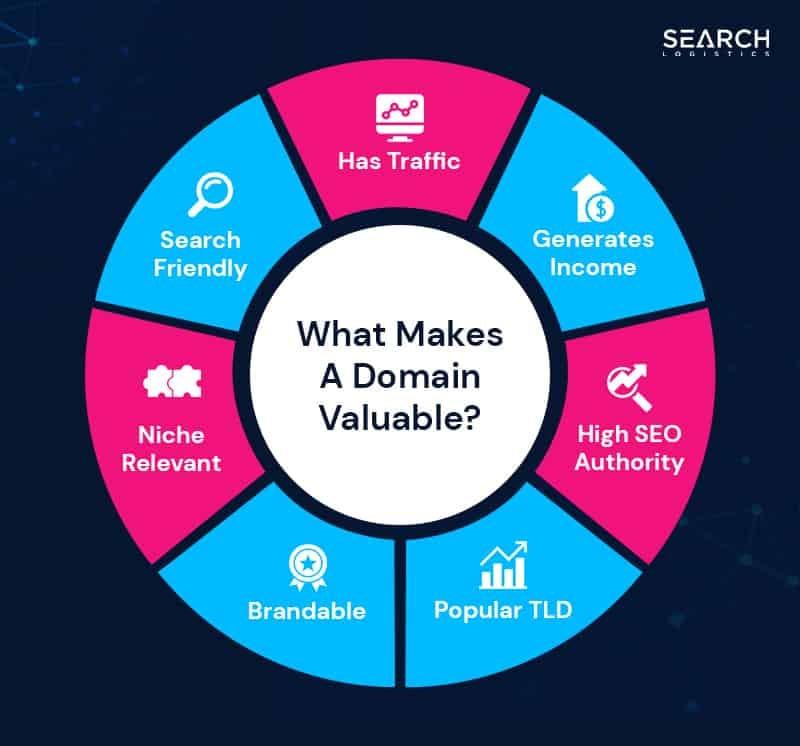
Domain flipping is a strategic approach in the online entrepreneurship landscape that involves buying domain names at a low price and then selling them for a profit. The key is to identify domain names that are appealing, memorable, and hold potential market value. Factors contributing to the value of a domain name include its length, keyword relevance, brandability, and domain extension (.com, .net, etc.). By leveraging these attributes, savvy investors can significantly increase their return on investment.
To be successful in this venture, it’s vital to conduct thorough research before making a purchase. Here are some essential steps to consider:
- Market Trends: Keep an eye on emerging trends and popular industries. Domains in trending sectors can be more valuable as demand increases.
- Keyword Analysis: Utilize keyword tools to find high-traffic keywords that might attract buyers looking for specific niche domains.
- Competitor Insights: Analyze competing domains in the marketplace to understand what drives value and what buyers are seeking.
Once a domain is acquired, enhancing its appeal through various means can also lead to increased profit margins. Here are some tactics to consider:
| Strategy | Description |
|---|---|
| Branding: | Create a brand identity for the domain, showcasing its potential use case. |
| SEO Optimization: | Build a basic website with content that can drive traffic and make the domain more attractive to buyers. |
| Networking: | Engage with potential buyers through online communities and social media to increase interest. |

Key Strategies for Identifying Valuable Domains
Finding valuable domains is akin to searching for hidden treasures; it requires a keen eye and an understanding of what makes a domain appealing. One of the first strategies is to focus on keywords. Look for domains that contain relevant keywords related to a specific niche. Domains with popular and trending keywords are more likely to attract potential buyers since they align more closely with search intent. Tools like Google Keyword Planner can assist in identifying these valuable keywords. Additionally, consider the length of the domain; shorter domains tend to be more memorable and easier to brand.
Another approach is to analyze the domain history. Use resources like the Wayback Machine to see how a potential domain was used in the past; this can provide insights into its authority and relevance. Moreover, check for any existing backlinks that the domain may have accrued over time. Domains with a solid backlink profile can enhance their value because they often come with pre-established traffic and recognition in search engines.
pay attention to the extension of the domain. While .com domains are typically the most valuable, various other extensions can also hold significant worth, especially if they are relevant to specific industries or geographical areas. Domains ending in .io, .co, or even country-specific extensions like .uk can be highly sought after. To maximize value, aim for domains that not only check these boxes but also exhibit potential for brand development. By leveraging these strategies, you can significantly improve your chances of identifying domains that promise a lucrative return.
Crafting a Winning Sales Approach for Your Domains
When diving into the domain flipping business, your sales strategy can make or break your success. One effective tactic to consider is building a compelling story around each domain. Domains that have a narrative—such as a connection to a trending subject or a unique storytelling angle—tend to fetch higher prices. Utilize these elements while communicating with potential buyers:
- Highlight the potential: Explain how the domain fits into current market trends.
- Showcase unique features: Discuss the memorable aspects, like short length or keyword-rich structure.
- Illustrate brand synergy: Connect the domain to existing brands or concepts.
Another critical aspect of your sales approach is the use of well-designed promotional materials. Eye-catching visuals, combined with persuasive text, can significantly enhance your sales pitch. Consider creating a simple table to summarize the key selling points of your domains:
| Domain Name | Estimated Value | Unique Selling Points |
|---|---|---|
| exampleDomain.com | $1,500 | Short, keyword-rich, brandable |
| trendyTopics.com | $2,000 | Trendy, niche applicable, great SEO potential |
Lastly, leveraging online marketplaces and social media can significantly widen your outreach. Experiment with different platforms to determine where your target audience is most active. Engage them with tailored posts, sharing success stories of previous domain flips to build credibility. Using prominent hashtags and keywords can also help place your listings in the eyes of prospective buyers, maximizing your sales opportunities.

Navigating Market Trends and Timing for Successful Flips
Successfully flipping domains requires a sharp eye for market dynamics and the ability to predict trends before they peak. Whether you’re a seasoned flipper or just starting out, understanding the nuances of market fluctuations can significantly impact your profit margins. One key approach is to keep a close watch on industry trends, emerging technologies, and popular culture shifts. This helps in identifying domains that are likely to become more valuable over time.
Here are some strategies to consider:
- Monitor keyword popularity: Use tools like Google Trends to track which keywords are gaining traction.
- Follow niche communities: Engage in forums and social media groups to uncover what’s trending in specific markets.
- Evaluate domain extensions: Certain TLDs may become more desirable as new startups emerge; for instance, .io for tech companies.
Timing is everything in domain flipping. Acquiring domains at the right moment can make all the difference. Buying during low-demand periods and holding onto them until a peak in interest can yield substantial returns. Utilize your research to understand seasonal demands which can give you an advantage. For instance, domains related to holidays or major events can see rapid spikes in value leading up to the dates:
| Event/Season | Peak Purchase Time | Potential Domain Value Increase |
|---|---|---|
| Christmas | September – October | 50% – 150% |
| Black Friday | August | 75% - 200% |
| Summer Sales | April – May | 30% – 100% |
In addition to investing time in research and timing, assess the competitive landscape to gauge your potential returns. Look for gaps where demand exceeds supply and where your domains can fill a unique niche. By intersecting your knowledge of market trends with strategic timing, you can successfully navigate the domain flipping landscape to achieve higher profit margins.

Building a Sustainable Domain Portfolio for Long-Term Success
Creating a sustainable portfolio of domains is akin to cultivating a garden; it requires careful planning, ongoing nurturing, and adaptability to changing conditions. The foundation of a successful domain portfolio lies in researching and selecting the right domains that not only have potential resale value but also align with current market trends. Focus on acquiring domains that hold value due to their keywords, industry relevance, or brandability. Consider factors such as domain extension (TLD), length, and memorability when making your selections.
Once you’ve established a base of domains, it’s essential to implement a strategy for growth and maintenance. This involves regularly assessing your portfolio to identify which domains are performing well and which may need to be let go. Keep an eye on the following aspects:
- Market trends: Stay updated on industry changes and emerging niches.
- Domain age: Older domains tend to attract more interest.
- SEO potential: Evaluate their search engine visibility and backlinks.
diversifying your portfolio can act as a safeguard against market fluctuations. Investing in various niches—from technology to lifestyle—will not only spread risk but also capture a broader audience over time. When considering new acquisitions, create a simple table to compare potential domains based on criteria such as:
| Domain Name | TLD | Estimated Value | Market Demand |
|---|---|---|---|
| exampletech.com | .com | $3,500 | High |
| greenliving.org | .org | $1,200 | Medium |
| foodieblog.net | .net | $800 | Low |
This type of organized assessment will inform your purchasing decisions and help your portfolio thrive in the long run.
Q&A
Q&A: Learning Domain Flipping
Q1: What is domain flipping? A1: Domain flipping is the practice of buying a domain name at a lower price and then selling it for a profit. This process typically involves identifying valuable domain names, purchasing them, and then marketing them to potential buyers who might find them useful for their business or online presence.Q2: Why should I consider domain flipping? A2: Domain flipping can be a lucrative side hustle or full-time business for those willing to invest time and research. The online marketplace is continuously expanding, and unique, catchy domain names are in high demand. If you have a knack for spotting trends and understanding market needs, this could be a great opportunity for you.
Q3: How do I start flipping domains? A3: To start flipping domains, follow these steps:
- Research: Learn what makes a domain valuable, including factors like length, keyword relevance, and brandability.
- Purchase: Use domain registrars like GoDaddy or Namecheap to buy domains you believe hold resale potential.
- Market: List your domains on marketplace platforms such as Flippa or Sedo, or reach out directly to businesses that might be interested in your domains.
- Negotiate: Be prepared to discuss prices and negotiate with potential buyers to maximize your profit.
Q4: What are the risks involved in domain flipping? A4: While domain flipping can be profitable, it does come with risks. Not every purchased domain will sell, and there’s a chance you may end up holding domains with little to no value. Additionally, market trends can shift, making it crucial for flippers to stay informed about the industry.
Q5: How can I find valuable domain names? A5: To find valuable domains, consider the following strategies:
- Keyword Research: Use tools like Google Trends or Ubersuggest to identify trending keywords.
- Expired Domains: Look for expired domains with established backlinks and traffic.
- Industry Trends: Stay updated on popular niches and industries that are rising in popularity.
Q6: Are there specific tools I should use for domain flipping? A6: Yes, there are several helpful tools for domain flipping:
- Domain Name Generators: Tools like NameMesh can help brainstorm creative domain names.
- WHOIS Lookup Services: These can help you excavate ownership data for domains you’re interested in.
- Valuation Tools: Websites like Estibot provide estimated market values for domain names.
Q7: How much money should I invest to start flipping domains? A7: The amount you should invest can vary significantly. You can start with as little as $10–$50 for a domain registration. However, many successful flippers recommend starting with a budget of a few hundred dollars to diversify your portfolio and increase your chances of a profitable flip.
Q8: Can anyone succeed in domain flipping? A8: While anyone can learn the basics of domain flipping, success often requires patience, strategic thinking, and market insight. With dedication and a willingness to learn, many people have found success in this field, but it’s essential to manage expectations and stay informed.
With these insights, you’re now equipped to explore the exciting world of domain flipping. Remember, research and continuous learning are key components of achieving success in this dynamic market. Happy flipping!
In Summary
As we draw the curtain on our exploration of domain flipping, it’s clear that this venture is more than just a profitable opportunity; it’s a thrilling journey into the world of online real estate. Whether you’re a budding entrepreneur or a seasoned investor, the insights we’ve shared can help you navigate the dynamic landscape of domain acquisition and sales. Remember, success in this field requires not just knowledge but also patience, strategy, and a keen eye for potential. As you consider taking the plunge into domain flipping, use the strategies outlined in this article to build your toolkit. Each domain you acquire could be a stepping stone towards achieving your financial goals or expanding your online presence. Stay curious, continue to learn, and connect with the vibrant community of domain investors. Now that you have the roadmap, it’s time to put your skills to the test. Happy flipping!