

Table of Contents
- Trends in Today’s Domain Sales Market
- Understanding the Value of Premium Domains
- Strategic Tips for Buying domains Wisely
- the Role of TLDs in Domain Sales Success
- navigating the Domain Marketplace for Optimal Investment
- Q&A
- Closing Remarks
Trends in Today’s Domain Sales Market
The current landscape of domain sales is more dynamic than ever, with several key trends shaping the market. One prominent trend is the increased demand for short, memorable domain names. Businesses and individuals want names that are easy to recall and type, leading to a premium placed on concise domains. Additionally, the notion of brandable domains-those that can stand out in a crowded marketplace-is driving up prices as online identity becomes more vital. The shift towards niche domains is also notable, as companies seek specific names that reflect their industry, enhancing their visibility in targeted audiences.
Another interesting advancement in domain sales is the rise of option domain extensions beyond the traditional .com.As the market saturates with.com domains, many buyers are turning to extensions like .io, .co, and various new gTLDs (generic Top-Level Domains).This trend indicates a broader acceptance of diverse extensions, as businesses look to establish an online presence.Moreover, these alternatives can provide unique branding opportunities, allowing companies to cleverly reflect their offerings through their domain names.
Data indicates that domain sales are increasingly influenced by SEO considerations. Stakeholders are recognizing the importance of keywords in domain names, with many trending sales showcasing a strong correlation between keyword-rich domain names and higher search engine rankings.As the online environment evolves, buyers are prioritizing domains that not only resonate with their audience but also offer SEO benefits. Factors fueling this trend include:
- Search Engine Visibility: Domains with keywords relevant to a business can significantly boost organic traffic.
- Resale Value: Domains with SEO potential frequently enough command higher resale prices.
- Competitive Edge: Distinctive, descriptive domains can help a brand stand out among competitors.
| Domain Extension | Market Trend | Reason for Demand |
|---|---|---|
| .com | stable Demand | Global recognition & trust |
| .io | Increasing Popularity | Tech and startup appeal |
| .co | Brandable Preference | Short and catchy branding |
| .shop | Niche Market Growth | E-commerce specialization |

Understanding the Value of Premium Domains
Premium domains are often seen as the digital real estate of the internet. Their inherent value stems from several factors that can significantly enhance your online presence and business opportunity. one key advantage is their memorability; short, catchy domains are easier for users to recall, which can led to increased direct traffic and brand recognition.as businesses fight for attention online, having a premium domain can distinguish you from competitors and establish credibility in your niche.
Another important aspect of premium domains is their SEO potential. Search engines often regard keyword-rich domains as more relevant for specific queries, improving your chances of ranking higher in search results. Brands investing in such domains are more likely to benefit from organic traffic without relying solely on expensive pay-per-click advertising. Furthermore,a premium domain can positively impact your marketing efforts,allowing you to leverage its authority and boost your overall brand strategy.
The resale value of premium domains can also not be overlooked. Established companies willing to sell their premium domains can ask for significant sums,given the potential return on investment they provide. Factors contributing to a premium domain’s resale value include:
- length and simplicity
- Keyword relevance
- Brandability
- Extension popularity (like .com, .net, etc.)
understanding the worth of a premium domain extends beyond initial purchase considerations; it can play a crucial role in shaping your online strategy, enhancing SEO, and offering a lucrative investment for future growth.

Strategic Tips for Buying Domains wisely
When diving into the world of domain purchasing,it’s essential to evaluate your options strategically. start by brainstorming keywords that resonate with your brand or project.Use tools like Google Keyword Planner or SEMrush to identify trends and search volumes. This tactical approach ensures that your chosen domain not only reflects your identity but also enhances your visibility in search results.
Next, consider the .com extension as your primary choice, if available. Domains that end in .com tend to be more memorable and carry a sense of credibility. If your preferred name is taken, explore alternatives such as .net or .co. Additionally, think about incorporating relevant local or industry terms to create a unique yet effective domain. Here are a few options to consider:
- Hyphenation: Use hyphens to separate keywords, such as best-bookstore.com.
- Abbreviation: Create an acronym, like NYC-Eats.com.
- Creative Misspellings: Alter common spellings subtly, like koolkidz.com.
Lastly, always perform a thorough brand audit before finalizing your domain choice. This means checking for existing businesses with similar names or potential trademark issues. You can utilize platforms like Namechk to assess availability across social media and domain registrars. The table below outlines the factors you should consider when evaluating domains:
| Factor | Description |
|---|---|
| Length | The shorter, the better. Aim for 15 characters or less. |
| Pronunciation | Ensure it’s easy to say and spell out loud. |
| Relevance | Match the domain with your niche or theme. |
| Age | Older domains often have more credibility. |

The Role of TLDs in Domain Sales Success
Top-Level Domains (TLDs) play a pivotal role in the landscape of domain sales,influencing the perceived value and marketability of a domain name. With hundreds of TLDs available, ranging from traditional options like .com and .org to more niche extensions such as .app and .tech, the right TLD can make all the difference in attracting potential buyers. Successfully positioning a domain in a competitive market often hinges on selecting a TLD that resonates with the target audience and aligns with their brand identity.
When evaluating the impact of TLDs on domain sales,consider the following aspects:
- Brand Recognition: Popular TLDs,especially .com, often convey credibility and reliability, making them more appealing to buyers.
- Target Audience: Niche TLDs can attract specific demographics and industries,enhancing the domain’s relevancy to potential customers.
- SEO Potential: Certain TLDs may provide an advantage in search rankings depending on the keywords used, influencing a buyer’s decision based on visibility.
To illustrate the performance of various TLDs in domain sales, the following table summarizes notable sales data:
| TLD | Average Sale Price | Most Recent Sale |
|---|---|---|
| .com | $2,500 | example.com – $5,000 |
| .net | $1,200 | sample.net – $3,500 |
| .tech | $1,800 | innovate.tech - $4,000 |
By carefully considering TLD choices, domain sellers can unlock greater opportunities for sales success.The right TLD not only enhances the attractiveness of a domain but can also lead to quicker transactions and higher profit margins, ultimately playing a critical role in the broader domain sales strategy.
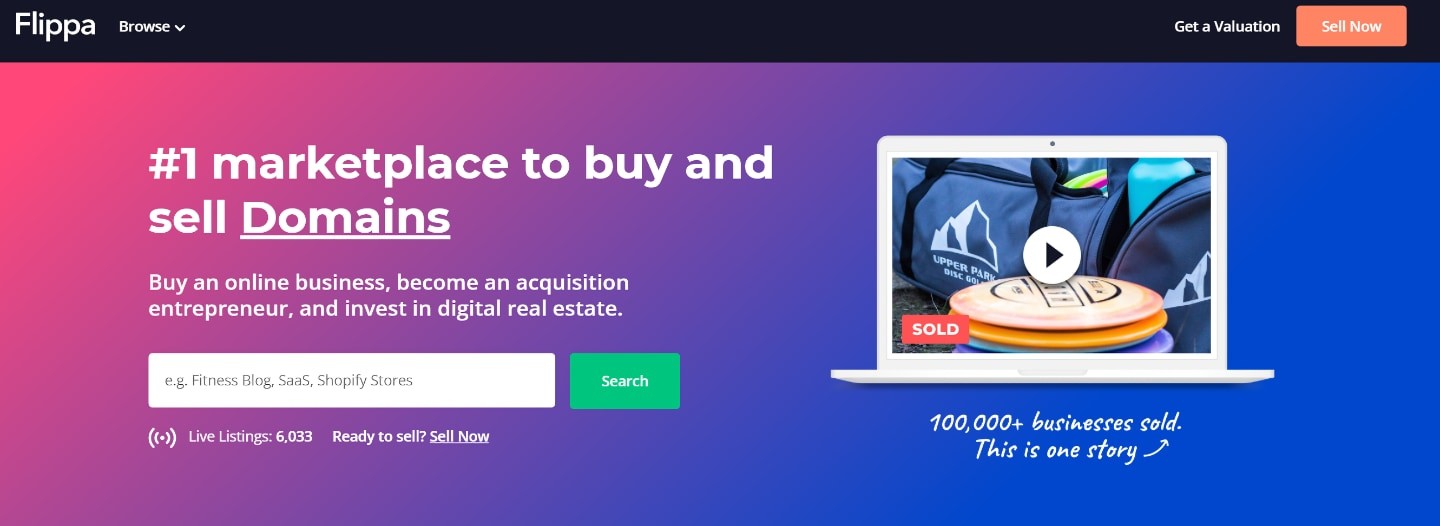
Navigating the Domain Marketplace for Optimal Investment
Investing in the domain marketplace can be both exciting and daunting.As potential buyers, it’s crucial to recognize the key factors that contribute to a domain’s value. A few pivotal elements to consider include:
- length and Memorability: Shorter domains are typically more valuable due to their ease of recall.
- Keyword relevance: Domains containing popular or trending keywords can significantly increase search engine visibility.
- Extension Type: The choice between .com, .net, or newer extensions like .io can affect desirability and price.
Additionally,staying informed about recent sales can provide insights into market trends. For instance, examining high-profile transactions can help you gauge the going rates and what’s generating buzz. Here’s a simple table displaying a selection of notable domain sales over the last month:
| Domain Name | Sale Price | Buyer Industry |
|---|---|---|
| HealthTechRevolution.com | $250,000 | Healthcare |
| EcoSmartLiving.com | $180,000 | Environment |
| GourmetBites.com | $95,000 | Food & Beverage |
Networking within the domain community can also enhance your investment prospects. Resources such as forums, domain conferences, and social media groups offer valuable opportunities to connect with other investors and industry experts. By engaging with these platforms,you can share experiences,ask for advice,and stay updated on lucrative buying opportunities or upcoming trends that may influence domain valuations,all essential for making informed investment choices.
Q&A
Q&A: Exploring Today’s Domain Sales
Q1: What are domain names, and why do they matter?
A: Domain names are the web addresses that people use to identify and locate resources on the internet. They serve as the online identity for businesses, brands, and individuals. A well-chosen domain name can enhance a company’s credibility,improve visibility,and drive traffic to their online presence.Q2: How do domains get sold?
A: Domains can be sold through a variety of channels. Many domain owners list their domains for sale on dedicated marketplaces like GoDaddy Auctions or Sedo. Others may use brokers or websites for private sale,while some utilize the services of domain registrars to facilitate the transaction.Q3: What factors influence the sale price of a domain?
A: Several factors can affect a domain’s sale price, including its length, memorability, keyword relevance, extension (.com, .net,etc.), and market demand. Domains that are short,brandable,or contain popular keywords are generally more valuable.Q4: Can you share some notable domains sold recently?
A: Certainly! Recently, domains like “example.com” have captured significant attention, selling for various amounts depending on their perceived value. Specific values fluctuate,but high-profile sales can reach into the six or seven figures.Q5: Who typically buys these domains?
A: Buyers range from large corporations looking to strengthen their digital presence to entrepreneurs seeking to build new startups. Investors in the domain name market, also known as domain speculators, frequently seek valuable names to resell later at a profit.Q6: How can someone start buying and selling domains?
A: to get started, aspiring domain buyers should research trending keywords, assess the market, and visit domain registration sites to get familiar with the purchasing process. Learning the art of negotiation and understanding valuation principles are crucial for successful selling.Q7: What are some risks involved in domain trading?
A: The domain market can be unpredictable; not all domains will appreciate in value. Additionally, buyers must be cautious of potential legal issues, such as trademark infringement. Conducting thorough research and due diligence is essential to minimize risks.Q8: Are there any trends in domain sales today?
A: Yes,current trends show a growing interest in shorter,more memorable domains,notably ones with popular extensions like .com, along with a rise in niche-specific domains that cater to emerging industries and technologies.Q9: How dose one assess if a domain is a good investment?
A: Evaluating a domain’s investment potential involves considering factors like search engine optimization (SEO) capabilities,brand ability,market demand,and past sales data.Tools and resources like domain appraisal services can also provide insights.Q10: Were can one find more information on domain sales?
A: There are numerous resources available for those interested in domain sales, including blogs focused on domain investing, forums, and industry news websites. Additionally, sites like NameBio track historical sales data, helping buyers and sellers make informed decisions.this Q&A aims to provide clarity around the evolving landscape of domain sales and offer insight into how various factors play a significant role in the domain marketplace today.
Closing Remarks
As we wrap up this exploration of today’s domain sales, it’s clear that the digital landscape continues to evolve, with new opportunities unfolding every day. The value of a domain name has never been more pronounced, serving as the digital cornerstone for businesses, brands, and personal projects alike. Whether you’re a seasoned investor or a newcomer to the domain market, staying informed about current trends and sales can provide a competitive edge. So, as you navigate the vast world of domain ownership, remember that each sale tells a story and every acquisition is a potential pathway to success. Keep your eyes peeled for emerging trends, and who knows? The next big opportunity could be just a domain name away. Thanks for joining us on this journey,and happy domain hunting!