

Table of Contents
- Understanding the Basics of Domain Selling Services
- Choosing the Right Platform for Domain Transactions
- Valuation Tactics: How to Price Your Domain Strategically
- Marketing Your Domain for Maximum Exposure
- Legal Considerations and Best Practices in Domain Selling
- Q&A
- In Retrospect
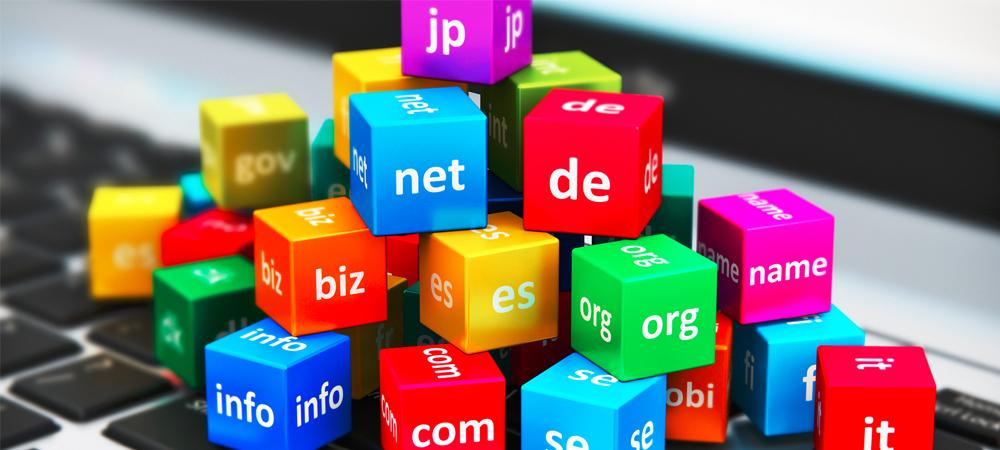
Understanding the Basics of Domain Selling Services
Navigating the world of trading web addresses can seem daunting at first, but understanding its fundamental components simplifies the process. Domain trading involves much more than just buying and selling; it requires a strategic approach to identify and leverage high-value names. At its core, this service allows individuals or businesses to find appropriate digital identities, turning them into valuable assets that can boost brand recognition and online presence. Familiarity with market trends and fluctuations offers an advantage, enabling the successful acquisition or sale of domains for optimal returns.
When exploring this realm, several key players and resources become essential. Major platforms offer specialized marketplaces where sellers list their domains for potential buyers to peruse, often featuring search and filtering options to streamline the process. Popular marketplaces include:
- Sedo: Known for its extensive inventory and reliable transaction processes.
- GoDaddy Auctions: Provides a wide array of domains, often with enticing short-term auction offers.
- Flippa: Integrates website and domain sales, appealing to holistic digital entrepreneurs.
Pricing dynamics in this field vary significantly, influenced by factors like keyword popularity, domain length, and extension type. Understanding these elements can empower sellers to better position their offerings and buyers to recognize valuable opportunities. Below is an illustration of how these factors might influence pricing strategies:
| Factor | Influence on Price |
|---|---|
| Keyword Popularity | High-demand phrases can drastically increase value. |
| Domain Length | Short, memorable domains typically fetch higher prices. |
| Extension Type | Common extensions like .com are generally prized over niche alternatives. |

Choosing the Right Platform for Domain Transactions
When venturing into the world of buying and selling domains, selecting the most suitable platform to conduct your transactions is a critical decision. First and foremost, consider the platform’s reputation and trustworthiness. A reliable domain marketplace often has positive reviews and ratings from past users, ensuring a seamless experience. Look for platforms that provide robust security features, such as escrow services that safeguard financial transactions. An escrow service acts as a neutral third party, ensuring that funds are held securely until both the buyer and the seller have fulfilled their obligations.
Next, examine the fees and commissions associated with listing your domain. While some platforms may offer free listings, others might charge a percentage of the sale price as a commission. It’s crucial to understand the pricing structure to avoid surprises later on. Here’s a quick comparison of some popular domain platforms:
| Platform | Listing Fee | Commission |
|---|---|---|
| Sedo | Free | 15% |
| Flippa | $29 | 10% |
| GoDaddy | $4.99 | 20% |
assess the user interface and additional features that the platform offers to facilitate transactions. Intuitive navigation and advanced search options are essential for both buyers and sellers to find what they need effortlessly. Some platforms provide tools such as appraisals, marketing, and negotiation support, which can enhance your selling strategy. By selecting a platform that aligns with your needs and expectations, you increase your likelihood of a successful and profitable domain transaction.

Valuation Tactics: How to Price Your Domain Strategically
When you’re on the verge of selling a domain, one of the most critical steps involves assessing its worth. Strategic pricing can make the difference between a quick sale and a lingering listing. The first step is understanding the market value of your domain. Begin by examining recent sales of similar domains. This benchmarking approach provides insight into what buyers are willing to pay. Consider factors such as length, keyword relevance, and the TLD (Top-Level Domain). Shorter names with relevant keywords or popular TLDs like .com often command higher prices.
As you hone your pricing strategy, don’t just rely on numbers. Evaluate perceived value, which includes branding potential and industry relevance. A domain’s ability to serve as a memorable brand or its association with a lucrative industry can significantly boost its value. Create a detailed value proposition, highlighting pairing opportunities with existing products or services. This could attract interest from buyers looking to establish a strong brand presence. Also, factor in any existing traffic as it could add immediate value to potential buyers.
utilize professional techniques to fine-tune your domain’s price. Engaging with domain appraisal services can provide a solid reference point. Websites like Estibot or GoDaddy’s Domain Appraisal offer analytical insights to help delineate a ballpark figure. However, trust your intuition gathered from researching and understanding the domain’s appeal. Consider making the price negotiable, fostering interaction with potential buyers and inviting offers that can lead to fruitful negotiations. This flexibility might just be the leverage needed for a successful transaction.

Marketing Your Domain for Maximum Exposure
To optimize the visibility of your digital real estate, it’s crucial to implement a strategic approach that leverages both online and offline marketing channels. Begin by creating an eye-catching landing page for your domain, complete with essential details and stunning visuals. A compelling landing page can serve as your domain’s promotional hub, attracting potential buyers with pertinent information about its value and potential uses. Utilize WordPress plugins like Yoast SEO to enhance search visibility, ensuring your domain surfaces in relevant queries and draws the attention of interested parties.
A robust social media strategy is vital for tapping into a larger audience and generating buzz around your domain. Leverage platforms such as LinkedIn, Twitter, and Facebook to share regular updates and engage with a community interested in buying or selling domains. Integrate the following tactics into your strategy:
- Consistent Posting: Share engaging content at optimal times for the highest organic reach.
- User Engagement: Respond promptly to inquiries and participate in relevant discussions.
- Influencer Collaboration: Partner with industry influencers to amplify your message.
Consider listing your domain on various online marketplaces to boost its exposure further. Websites such as Sedo and Flippa are renowned for their extensive networks of serious buyers. Here’s a brief comparison of some popular platforms:
| Platform | Audience Size | Fees |
|---|---|---|
| Flippa | Large | 5% Success Fee |
| Sedo | Very Large | 10% Brokerage Fee |
| NameCheap | Moderate | No Listing Fee |
Legal Considerations and Best Practices in Domain Selling
When venturing into the realm of domain selling, understanding the legal landscape is paramount. One of the first steps is conducting due diligence to ensure that the domain you wish to sell does not infringe on any existing trademarks. Trademark infringements can lead to significant legal challenges, so utilizing tools such as the USPTO database in the United States or similar resources in other countries can be invaluable. Additionally, it’s advisable to verify the origin and history of the domain to ensure it hasn’t been associated with malicious activities, which could affect its credibility and sale potential.
Creating a solid and transparent contract of sale is another critical aspect. This document should clearly outline the terms and conditions of the transaction, including the payment process, transfer protocol, and any guarantees provided by the seller. Consider including provisions on intellectual property rights, ensuring that both parties agree on the handling of the domain’s existing content or any retained rights. Legal counsel can be beneficial here, providing insights to tailor the contract to your specific needs and protect your interests effectively.
Implementing best practices can set the foundation for a successful domain sale while protecting both buyer and seller. These practices include using secure payment methods, such as escrow services, to safeguard the transaction. Furthermore, ensuring all communications are documented is essential, as it protects you from future disputes. Domain escrow services offer an enhanced level of security by acting as a neutral third party, ensuring that the payment is safely handled, and only released once all conditions of the agreement are satisfied. Consider leveraging reputable services to build trust and facilitate a smooth transaction process.
Q&A
Q: What is a domain selling service? A: A domain selling service is a platform or company that facilitates the buying and selling of domain names. These services connect sellers with potential buyers, providing resources such as marketplace listings, valuation tools, and escrow services to ensure secure transactions. Q: Why might someone want to use a domain selling service? A: Individuals or businesses use domain selling services to reach a larger audience of potential buyers and to leverage expertise in pricing and negotiations. These services often provide valuable insights into market trends and offer secure payment processing, which can simplify the transaction process and increase trust between parties. Q: How can I choose a reliable domain selling service? A: When selecting a domain selling service, consider factors such as reputation, customer reviews, and the range of services offered. Look for platforms with a proven track record, transparent fee structures, and strong security measures. It’s also beneficial if they offer domain valuation tools or expert consultation. Q: What fees are typically associated with using a domain selling service? A: Fees vary depending on the service, but they commonly include listing fees, commission on sales, and potentially charges for additional services such as appraisal or premium listings. It’s important to review the service’s fee structure to understand the total cost of selling your domain. Q: What steps should I take to prepare my domain for sale? A: To prepare your domain for sale, start by conducting a valuation to determine its worth. Ensure that your domain is unlocked and transfer-ready, and consider creating a compelling description that highlights its potential value. Listing your domain with professional photos and detailed information can also attract more buyers. Q: Are there any risks involved in selling domains? A: While selling domains through a reputable service can mitigate many risks, there are inherent risks such as non-payment or scams. It’s crucial to use escrow services provided by the platform to safeguard your transaction and consult legal or financial experts if needed. Q: Can businesses benefit from domain selling services? A: Yes, businesses can significantly benefit by freeing up unused domain assets for cash, thus reinvesting in core areas. Moreover, acquiring premium domains through these services can strengthen brand identity and improve online visibility. Q: How do I maximize the value of my domain? A: Enhance your domain’s appeal by ensuring it’s short, relevant, and easy to remember. Domains that align with current industry trends or tech developments tend to attract higher bids. Pairing your domain with established web traffic or SEO rankings can further boost its value. Q: What trends are influencing the domain selling market currently? A: Current trends include growing interest in brand-related and niche-specific domains, the impact of new domain extensions, and the rising importance of SEO-friendly domains. Keeping abreast of these trends can inform more strategic buying or selling decisions. In Retrospect
In the ever-evolving landscape of the digital marketplace, the potential of domain selling services shines brightly for both seasoned investors and aspiring entrepreneurs. Whether you’re looking to capitalize on a domain’s untapped potential or seeking the perfect web address to launch your next big venture, understanding the intricacies of domain trading can be a game-changer. As you embark on this path, armed with knowledge and a keen eye for opportunity, remember that every domain carries the promise of possibility. So go forth, explore the boundless virtual real estate, and let your digital ambitions take root and flourish.