

Table of Contents
- Understanding the Basics of Domain Flipping and Its Profit Potential
- Identifying Profitable Domains: Key Factors to Consider
- Strategies for Successful Domain Acquisition and Sale
- Maximizing ROI: Marketing Your Domains Effectively
- Navigating Legal Considerations in Domain Flipping Transactions
- Q&A
- Key Takeaways

Understanding the Basics of Domain Flipping and Its Profit Potential
Domain flipping is a fascinating venture that involves buying domain names at a low price and then selling them later for a profit. The potential for profit in this arena hinges primarily on the demand for the web address and its perceived value in the marketplace. Successful flippers often focus on purchasing domains that feature popular keywords or phrases, which can significantly increase a domain’s resale value. Understanding the nuances of market trends and consumer desires is crucial for maximizing returns on investment.
To assess the profitability of domains, investors should consider several key factors:
- Keyword Relevance: Domains that contain trending keywords often attract higher bids.
- Length: Shorter domains tend to be more desirable and easier to remember, making them more marketable.
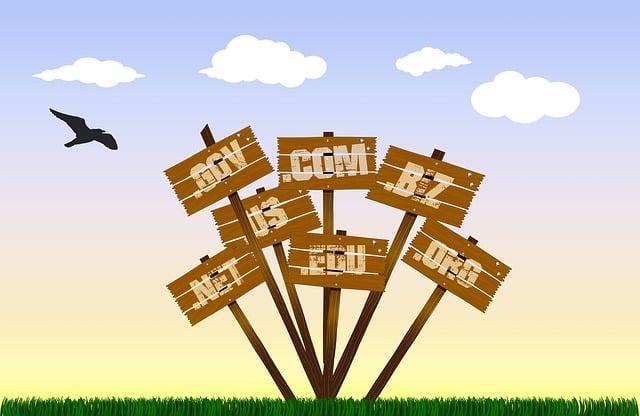
- Extension: The .com extension remains the gold standard, but other TLDs (Top-Level Domains) can also fetch good prices depending on the niche.
- Brandability: A domain that is catchy and easy to brand can lead to quicker sales and higher profits.
Another key insight is the importance of timing and strategy in the buying and selling process. Employing market research tools and analytics can help identify domains that are poised for appreciation. Additionally, creating value through development—such as building a simple website or blog—can increase a domain’s value before it’s sold. Below is a simple table illustrating some effective strategies and their potential impacts on profitability:
| Strategy | Potential Impact on Profit |
|---|---|
| Keyword Research | Higher sale price due to demand |
| Domain Age | Increased trust and authority |
| Building a Minimal Site | Enhances perceived value |
| Networking with Buyers | Faster sales and connections |

Identifying Profitable Domains: Key Factors to Consider
When diving into the world of domain flipping, understanding what makes a domain truly valuable is essential. Length and memorability are two of the most impactful factors. Short domains tend to be easier to remember and type, both of which contribute to their desirability. Additionally, catchy names that evoke a specific concept or feeling can attract buyers who recognize their potential. Consider also the use of popular keywords—those that resonate with current trends or consumer interest can significantly enhance a domain’s resale value.
Another crucial aspect to evaluate is the extension of the domain. While .com domains are traditionally seen as the gold standard, there are plenty of emerging TLDs (top-level domains) that can be just as profitable if positioned correctly. Domains in sectors like technology, ecommerce, or niche markets can benefit from more specialized extensions, such as .tech or .store. Here’s a brief overview of various extensions and their perceived value:
| Extension | Common Use | Value Perception |
|---|---|---|
| .com | Business, Global Brands | High |
| .net | Networking Services | Moderate |
| .org | Nonprofits, Organizations | Moderate |
| .tech | Technology Startups | Growing |
| .store | E-commerce | Increasingly Popular |
Lastly, analyzing the market trends and competition in your targeted niche can guide your investment decisions. Look for domains that fit into emerging industries or capitalize on growing consumer interests. Utilizing tools such as Google Trends, SEMrush, or Ahrefs can provide insights into what words or phrases are gaining traction. Additionally, evaluating existing competitors and their domain strategies can reveal lucrative opportunities for flipping. Remember, the more informed your decisions, the higher your chances for securing profitable domains that will yield substantial flips.

Strategies for Successful Domain Acquisition and Sale
Acquiring the right domain is crucial for successful domain flipping. Start by conducting thorough keyword research to identify trending terms and niches with high demand. Utilize tools like Google Trends or SEMrush to discover potential keywords that can help you pinpoint valuable domains. Pay attention to various domain extensions, but prioritize .com, as they typically hold more value. Additionally, consider expired domains; they can provide existing traffic and backlinks, making them more attractive to potential buyers.
When it comes to selling, effective marketing strategies are key. Make sure to create compelling listings that showcase the benefits of the domain. In your listing, include details like:
- Keyword relevance: Explain how the domain relates to trending topics or businesses.
- Potential uses: Provide examples of industries that could benefit from the domain.
- Traffic stats: If applicable, display any existing traffic data to intrigue buyers.
Using platforms such as Flippa or Sedo can further enhance visibility. Consider setting a reasonable price based on market trends and comparable sales; this helps attract offers without undervaluing your domain.
maintaining a strong presence in the domain flipping community can provide helpful insights and connections that aid both acquisition and sales. Engage through forums and social media groups where domain investors gather. Build relationships, share experiences, and learn from others’ successes and failures. Having a network can lead you to potential buyers or opportunities for acquiring valuable domains before they hit the mainstream market.
Maximizing ROI: Marketing Your Domains Effectively
To truly capitalize on your domain investments, it’s essential to have a solid marketing strategy in place. One effective way to increase visibility and attract potential buyers is through social media marketing. Platforms like Twitter, Facebook, and LinkedIn allow you to showcase your domains to a broader audience. Share engaging content highlighting the potential uses of your domains, or post attractive graphics that capture the essence of the names you’re selling. Additionally, join relevant groups or communities to network with other domain investors and buyers.
Another important aspect of promoting your domains comes down to search engine optimization (SEO). By incorporating targeted keywords into your domain listings and online profiles, you enhance the chances of appearing in search results. Utilize SEO tools to identify popular terms related to your domain’s niche. Furthermore, creating a dedicated landing page for each domain can significantly improve your organic reach. Focus on elements such as persuasive copy, compelling calls to action, and relevant content that speaks directly to potential buyers.
Lastly, think about leveraging email marketing to nurture leads and convert potential buyers into actual sales. Build a list of interested individuals or other domain investors and send out regular newsletters showcasing your latest offerings. You can also provide valuable tips and insights about domain investing, thereby positioning yourself as an authority in the field. Consider including promotions or discounts for subscribers to incentivize purchases. Table the engagement metrics to keep track of your campaigns:
| Campaign Type | Open Rate | Click-Through Rate | Conversion Rate |
|---|---|---|---|
| Email Newsletter | 45% | 10% | 2% |
| Social Media Posts | 35% | 8% | 1.5% |
| Landing Page AD | 50% | 15% | 3% |
Navigating Legal Considerations in Domain Flipping Transactions
When diving into the lucrative world of domain flipping, it’s imperative to understand the various legal considerations involved. One of the foremost issues is ensuring that the domain name does not infringe upon existing trademarks. Conducting thorough research on a potential domain is essential. Utilize resources such as:
- Trademark databases: Check national and international trademark registries.
- Search engines: A simple search can reveal if a domain is associated with a well-established brand.
- Legal advice: Consult with a trademark attorney to ensure compliance.
Another pivotal aspect to consider is the domain registration process itself. All transactions should be documented clearly to protect both the buyer’s and seller’s rights. Additionally, crafting a well-structured agreement that outlines the terms of the sale can mitigate future disputes. Here’s a brief overview of what to include:
| Terms of Sale | Description |
| Payment Terms | Details about the payment methods and schedule. |
| Domain Transfer | Steps and timeline for transferring ownership. |
| Warranties | Assurances regarding the domain’s status and rights. |
Lastly, be aware of the potential tax implications involved in domain flipping. Profits from these transactions may be subject to capital gains tax, depending on your local laws and regulations. It’s advisable to maintain detailed records of each transaction — purchase price, sale price, and associated costs — to ensure accurate reporting and compliance. Engaging with a tax professional familiar with digital assets can provide essential guidance, ensuring you manage your earnings effectively while adhering to legal requirements.
Q&A
Q&A on Domain Flipping Profits
Q1: What is domain flipping, and how does it work? A: Domain flipping is the practice of buying domain names at a low price and then selling them at a higher price for profit. The process typically involves identifying appealing domain names—those that are catchy, easy to remember, or relevant to popular trends—purchasing them, and then either holding onto them until the value increases or actively marketing them for sale. Q2: How do I determine the value of a domain name? A: The value of a domain name can be influenced by several factors, including its length, keyword relevance, spelling simplicity, and overall market trends. Tools like Estibot or GoDaddy’s valuation tool can provide estimates, but ultimately, demand and buyer interest will strongly influence the selling price. Q3: Where can I buy domain names for flipping? A: You can purchase domain names from various sources, including registrars like GoDaddy, Namecheap, and Bluehost. Additionally, you can find expired domains on auction sites like SnapNames or Flippa, where you may discover valuable domains available at competitive prices. Q4: What are some tips for successfully flipping a domain? A:- Research Market Trends: Stay updated on trends and popular keywords, which can help you identify potentially lucrative domains.
- Choose Memorable Names: Short, catchy, and easy-to-pronounce names tend to attract more buyers.
- Build a Brand: If possible, develop a small website or landing page related to the domain to increase its appeal and perceived value.
- Network: Engage in domain-flipping communities, forums, and social media groups to connect with buyers and sellers, enhancing your visibility and access to opportunities.
- Optimize Your Listings: Create detailed listings that highlight the key benefits and potential uses of the domain.
- Utilize SEO Techniques: Improve visibility on search engines by using relevant keywords in your listings.
- Price Competitively: Research similar domains and set a competitive price that appeals to potential buyers.
- Leverage Social Media: Promote your domain on platforms like Twitter, LinkedIn, or Instagram, targeting audiences that might find value in it.
Key Takeaways
As we wrap up our exploration of domain flipping profits, it’s clear that this unique venture holds significant potential for savvy entrepreneurs willing to put in the research and strategic planning. Whether you’re just dipping your toes into the world of digital real estate or are an experienced flipper looking to optimize your portfolio, the keys to success lie in understanding market trends, valuing domains accurately, and honing your negotiation skills. Remember, every domain has a story, and with the right approach, you can turn that narrative into profit. As the online landscape continues to evolve, so too does the opportunity for domain flipping—it’s a game of patience, insight, and creativity. So, equipped with the knowledge you’ve gained, why not dive into this exciting market? Who knows, your next domain could be the golden ticket you’ve been searching for. Happy flipping!