

Table of Contents
- Understanding the Importance of Purchasing a Domain from Reputable Sources
- Key Features to Look for in a Legitimate Domain Registrar
- Comparing Pricing and Services of Trusted Domain Providers
- Steps to Verify the Legitimacy of a Domain Seller
- Tips for Securing Your Domain and Maintaining Ownership
- Q&A
- Future Outlook
Understanding the Importance of Purchasing a Domain from Reputable Sources
When embarking on the journey of establishing your online presence, the foundation often lies in selecting the right domain. Opting for a domain from reputable sources not only ensures greater security but also instills confidence among potential visitors. Trustworthy registrars often provide additional features such as domain privacy, enhanced customer support, and a straightforward purchasing process that is crucial for both novices and seasoned professionals alike. These elements contribute to an overall experience that prioritizes user-friendliness and efficacy.
Furthermore, purchasing a domain from established providers can significantly reduce the risk of encountering fraudulent activities or unexpected complications later on. Many unreliable sellers may offer shady practices, such as unclear ownership rights or hidden fees, which can hinder your operations. By steering clear of dubious marketplaces, you protect your investment and intellectual property, leading to a more seamless and trustworthy domain ownership experience. In contrast, reputable sources often offer clarity, allowing you to focus on developing your site without lingering concerns.
In addition to security, reputable domain registrars frequently provide access to a host of tools and resources that empower site owners. Many of these platforms feature excellent management interfaces, allowing you to easily configure DNS settings or renew your domain with just a few clicks. Here’s a quick comparison of some services that reputable registrars often provide:
| Service | Benefits |
|---|---|
| Domain Privacy | Protects personal information, reducing spam and unsolicited contact. |
| Customer Support | Assistance available 24/7 to troubleshoot issues and guide users. |
| Simple Management | Intuitive dashboards for easy domain management and settings adjustments. |
| Renewal Reminders | Automatic notifications ensure you never lose your domain inadvertently. |
Key Features to Look for in a Legitimate Domain Registrar
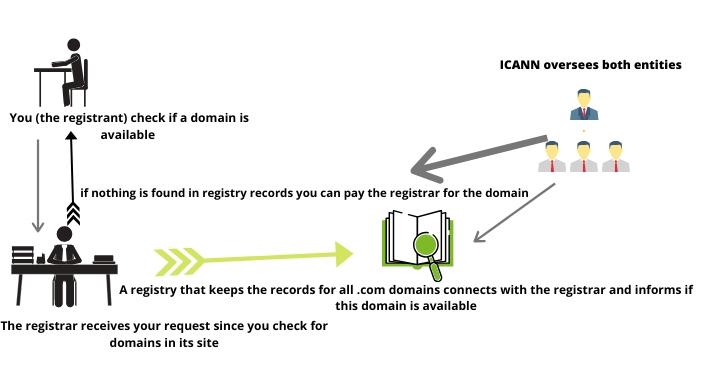
Choosing a trustworthy domain registrar is crucial to your online presence. Look for ICANN accreditation, which ensures that a registrar adheres to established industry standards. This accreditation offers reassurance that the registrar operates under a recognized global governance body, safeguarding your rights as a domain owner. Additionally, consider the registrar’s reputation. Check for reviews and testimonials from existing customers to gauge their experiences regarding reliability, customer service, and overall satisfaction.
Another important aspect is the range of services offered by the registrar. Not only should they facilitate domain registration, but they should also provide options for domain transfers, renewals, and a user-friendly management interface. A good registrar typically offers value-added services like email hosting, website builder tools, and DNS management to help you create and manage your online presence more effectively. Here is a quick overview of common features to compare:
| Feature | Importance |
|---|---|
| 24/7 Customer Support | Essential for resolving issues any time of day. |
| Domain Transfer Policy | Ease of transferring domains can save time and money later. |
| Automatic Renewal Options | Helps prevent unintentional domain expiration. |
| Privacy Protection | Safeguards personal information from public view. |
Additionally, pricing transparency is a must when selecting a registrar. Ensure that there are no hidden fees associated with registrations, renewals, or transfers. Some registrars might advertise low initial prices, but hidden charges for services like privacy protection or domain transfer can significantly increase your costs. Lastly, observe how user-friendly their interface is. A clean, intuitive dashboard can greatly enhance your experience when managing your domains and related services.
Comparing Pricing and Services of Trusted Domain Providers
When it comes to domain registration, pricing can significantly vary among providers. Understanding what each trustworthy registrant offers is crucial for making an informed decision. Many popular domain registrars like GoDaddy, Namecheap, and Bluehost have established a reputation for reliability while providing competitive pricing. Typically, the cost of a domain can range from as low as $0.99 for introductory offers to upwards of $20 or more for premium domains or specific extensions. It’s essential to look beyond just the price tag — consider any ongoing fees, such as renewal pricing, transfer fees, and additional charges for privacy protection.
Additionally, the services bundled with domain registration can greatly influence your overall satisfaction. Many registrars provide a range of features, including:
- DNS Management: Tools to customize domain settings easily.
- Domain Forwarding: Route visitors from one domain to another.
- Email Forwarding: Use your domain for personalized email addresses.
- Website Builders: Templates and tools to quickly set up your site.
It’s advisable to assess the value of these services in relation to the pricing. For instance, while some registrars may offer lower initial prices, they might lack essential features that could cost more in the long run. To give you a clearer overview, here’s a comparison of services from different providers:
| Provider | Starting Price | Privacy Protection | Email Hosting | Free SSL Certificate |
|---|---|---|---|---|
| GoDaddy | $0.99 | No (additional fee) | Available (paid) | Free for 1 year |
| Namecheap | $8.88 | Free | Available (paid) | Free for 1 year |
| Bluehost | $2.95 | Free | Included with hosting | Free for 1 year |
By applying this comparison, you can better evaluate which domain provider offers the most value for your specific needs. With many choices available, it’s wise to take the time to research and understand each option thoroughly before making a commitment. This way, you’ll secure not only a domain name but also the right tools and support to help you succeed online.

Steps to Verify the Legitimacy of a Domain Seller
Verifying the legitimacy of a domain seller is crucial to ensure that you’re making a secure investment. Start by checking their domain registration information. Use WHOIS lookup services to view the seller’s details, including the registration date and contact information. Be cautious of sellers using privacy protection services that hide their contact details. This could be a red flag indicating that they may not be trustworthy. If possible, reach out to the seller directly to gauge their responsiveness and professionalism.
Next, investigate the seller’s online reputation. Look for reviews and testimonials from previous buyers on reputable websites and forums. Platforms like Trustpilot and Better Business Bureau can offer valuable insights into the seller’s credibility. Consider searching for any negative feedback or complaints. If the seller has a consistent history of positive reviews, it generally signifies a reliable source. Moreover, engage in communities related to domain buying, where discussions about different sellers can provide firsthand experiences.
Lastly, compare prices within the market to identify whether the seller’s offer aligns with standard rates. If the price seems unusually low, it could indicate potential issues, such as an expired or flagged domain. A price comparison chart can help visualize these differences and make informed decisions:
| Domain Name | Seller Price | Average Market Price | Notes |
|---|---|---|---|
| example1.com | $50 | $75 | Good deal |
| example2.com | $30 | $70 | Price too low |
| example3.com | $80 | $80 | Market price |

Tips for Securing Your Domain and Maintaining Ownership
When you purchase a domain, protecting your investment is crucial. One of the first steps to secure your domain is by enabling two-factor authentication (2FA) on your registrar’s account. This additional layer of security ensures that even if someone gets hold of your password, they cannot access your account without the second verification method. Make it a habit to update your passwords regularly and opt for strong, unique passwords that aren’t easy to guess.
It’s also essential to keep your contact information up to date with your domain registrar. If there’s a breach or a question about your registration, inaccurate details can delay recovery. To further safeguard your domain, consider using domain privacy protection. This service masks your personal information from public whois databases, shielding you from spam and unwanted solicitations while keeping your ownership discreet.
Regularly review your domain’s registration details and renewal dates. Setting calendar reminders can help you avoid unintentional expiration. Below is a simple table showcasing important reminders for domain maintenance:
| Task | Frequency |
|---|---|
| Check for Expiration | Monthly |
| Update Passwords | Quarterly |
| Review Contact Information | Bi-Annually |
| Enable 2FA | Once |
By following these guidelines, you can effectively secure your domain and ensure continuous ownership, allowing you to focus on building your online presence without unnecessary worried.
Q&A
Q&A: Buying a Domain Legally and Securely
Q1: What does it mean to buy a domain legit?
A: Buying a domain legit means purchasing a domain name through reputable registrars and ensuring that the transaction follows legal and ethical practices. This involves avoiding unauthorized sellers, ensuring domain ownership is properly transferred, and protecting your investment through secure payment methods and proper documentation.Q2: How can I identify a reputable domain registrar?
A: To find a reputable domain registrar, look for companies accredited by the Internet Corporation for Assigned Names and Numbers (ICANN). Check for customer reviews, whether they provide transparent pricing structures, and if they offer additional services such as privacy protection, customer support, and easy domain management tools.Q3: Are there risks involved in buying a domain?
A: Yes, there are potential risks, including scams, phishing schemes, or purchasing a domain that has hidden issues such as legal disputes or existing trademarks. It’s crucial to conduct thorough research to ensure the domain is free from such problems before finalizing the purchase.Q4: What should I consider when choosing a domain name?
A: When choosing a domain name, consider factors like relevance to your brand, ease of spelling and pronunciation, length (shorter is often better), and keyword inclusion for SEO purposes. Additionally, check the availability of the name across social media platforms to maintain brand consistency.Q5: Is it necessary to pay for domain privacy protection?
A: While it’s not mandatory, investing in domain privacy protection can be valuable. This service keeps your personal information private, preventing spam and potential identity theft by masking your details in the WHOIS database, which is publicly accessible.Q6: What are some common mistakes to avoid when buying a domain?
A: Common mistakes include failing to research the domain’s history, not considering future expansion (using a flexible name), neglecting to check for potential trademark issues, and bypassing domain privacy protection. It’s also unwise to rush into purchasing without understanding the terms of sale or renewal fees.Q7: Can I buy a domain that is already taken?
A: Yes, you can attempt to purchase a taken domain through negotiation with the current owner or by using a domain brokerage service. Additionally, you can search for alternative domain extensions or variations of your desired name.Q8: How do I ensure my domain purchase is secure?
A: To ensure a secure domain purchase, always use trusted payment methods, confirm that the registrar uses HTTPS for their website, and look for features like two-factor authentication for your account. Also, read the terms of service and ensure you understand the policies regarding domain ownership and transfers.Q9: What happens after I buy a domain?
A: After purchasing a domain, you will receive confirmation of ownership and access to a management panel where you can configure settings like DNS records, email forwarding, and privacy protection. It’s essential to keep track of renewal dates to maintain ownership.Q10: How can I maximize my investment in a domain?
A: To maximize your investment, choose a domain that aligns with your brand and target audience. Build a professional website, optimize it for search engines, and engage in digital marketing strategies to drive traffic. Regularly monitor your domain’s performance and keep it updated to maintain its value over time. Future Outlook
In the ever-evolving landscape of the digital world, securing a domain name is more than just a technical step; it’s a foundational move toward establishing your online presence. As we’ve explored, buying a domain legitimately not only protects your investment but also sets the stage for success in your online endeavors. Whether you’re launching a personal blog, a business website, or a portfolio, choosing the right domain registrar is crucial for smooth sailing ahead. Armed with the insights shared in this article, you can navigate the process with confidence, ensuring that your chosen domain reflects your brand and purpose. Remember, the journey doesn’t end with purchasing your domain. It’s just the beginning. Keep learning, adapting, and growing your online presence, and you’ll soon see the fruits of your labor bloom. Thank you for reading, and may your domain journey be filled with success and satisfaction!