

Table of Contents
- Understanding Domain Pricing and What Affects Costs
- Exploring Budget-Friendly Domain Registrars
- Tips for Securing Discounted Domain Names
- Utilizing Promotions and Coupons for Cost Savings
- The Long-Term Value of Investing in a Domain
- Q&A
- Final Thoughts
Understanding Domain Pricing and What Affects Costs
When purchasing a domain, several factors play a critical role in determining the overall price. Domain extension, often referred to as a top-level domain (TLD), is one of the primary influences on cost. For instance, traditional TLDs such as .com, .org, and .net generally offer competitive pricing but can vary significantly based on demand and perceived value. Conversely, newer or niche extensions like .tech or .design may sometimes come at a premium price due to their uniqueness and popularity among specific audiences.
Another vital factor influencing domain pricing is registration period. Most registrars offer discounts for longer registration periods, making it more cost-effective to purchase a domain for multiple years upfront. Additionally, consider the renewal fees, as initial registration prices can be quite low, but the costs to renew after the first year can increase substantially. Always check the fine print for renewal rates to avoid unexpected expenses down the line.
Furthermore, the age and history of a domain can also affect its value. Established domains with existing traffic, backlinks, and a lengthy registration history are often priced higher due to their potential for quicker returns on investment. On the other hand, newly registered domains may be cheaper but require significant effort to become authoritative. Below is a simple table highlighting the various aspects that contribute to domain pricing:
| Factor | Influence on Cost |
|---|---|
| Domain Extension | Varies widely; popular TLDs are often more affordable. |
| Registration Period | Longer periods may provide discounts; check for renewal prices. |
| Age and History | Older domains can be pricier due to established reputation and traffic. |

Exploring Budget-Friendly Domain Registrars
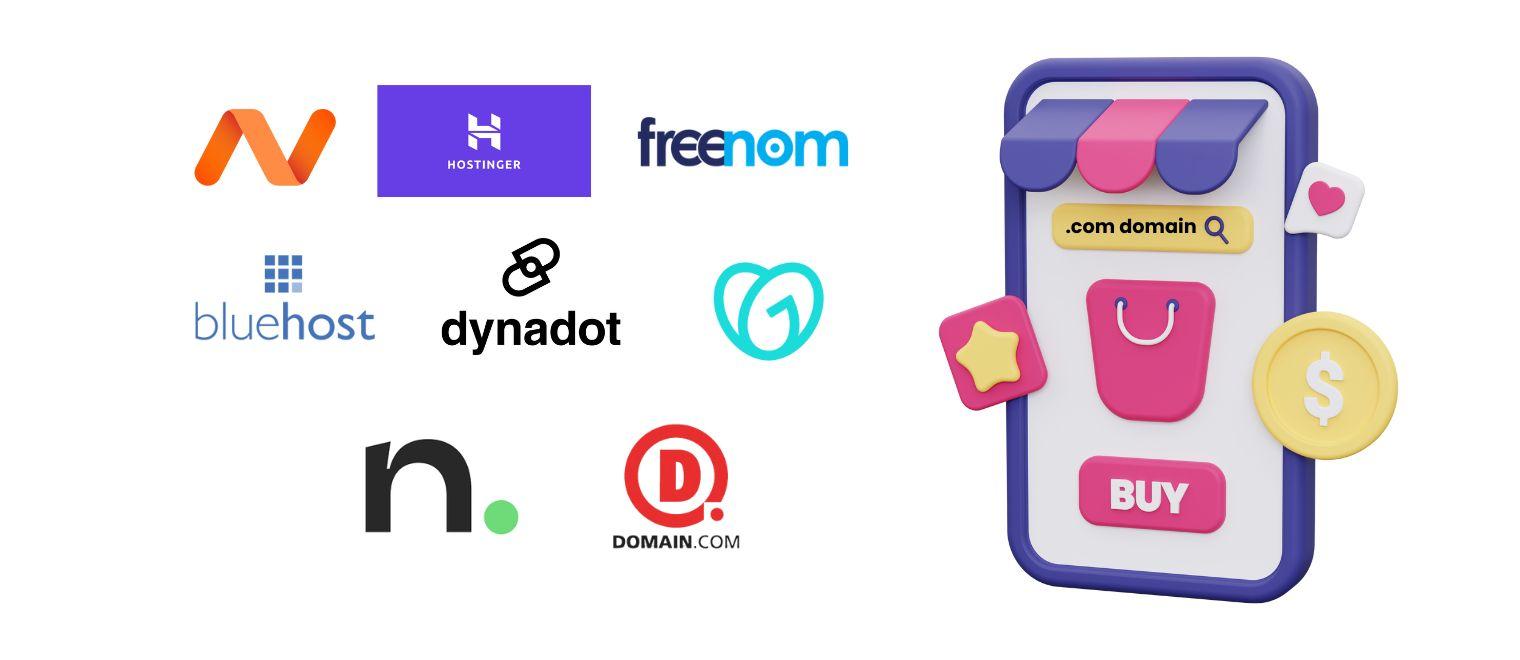
When diving into the world of domain registration, budget-friendly options can make all the difference. There are several registrars that offer competitive prices without compromising on service quality. Here are a few standout options that can help you secure a domain without straining your wallet:
- Namecheap: Known for its excellent customer support, Namecheap often runs promotions that reduce the initial registration price significantly.
- GoDaddy: With frequent discounts and deals for first-time users, GoDaddy is a popular choice for many looking to buy domains at a cheaper rate.
- Bluehost: While primarily a web hosting provider, Bluehost also offers domain registration with attractive pricing, especially for bundled services.
It’s worthwhile to compare features beyond just the price tags. Look at the additional services and perks those registrars provide. Some of the key elements you might consider include:
| Registrar | Price Range | Free Features |
|---|---|---|
| Namecheap | $8.88 – $12.98 | Free DNS, Email Forwarding |
| GoDaddy | $9.99 – $19.99 | Website Builder, Email Account |
| Bluehost | $11.99 – $14.99 | Free SSL, Site Backup |
Choosing the right domain registrar can set the stage for your online presence. Always keep an eye out for renewal rates, as these can vary, impacting your budget in the long run. Opting for a budget-friendly registrar with a solid reputation can give you peace of mind, knowing that your investment is safeguarded while you build your brand.
Tips for Securing Discounted Domain Names
Finding an affordable domain name can be a challenge, but there are several strategies you can employ to secure a great deal. First, consider using a domain name registrar known for promotional offers. Many registrars frequently run sales or discount campaigns, especially for new customers. Keeping an eye on their websites and subscribing to their newsletters can alert you to special deals. Additionally, you might want to compare prices across different registrars, as the same domain can have varying prices depending on where you look.
Another effective tactic is to target less popular extensions like .info or .xyz, which often come at a lower cost than standard options like .com or .net. While these domains may not have the same recognition, they can still be effective for branding and SEO with the right marketing strategy. Also, consider searching for expired domains that were once valuable; often, these can be acquired at a minimal cost if they haven’t been repurchased by their previous owners.
be sure to utilize online tools that monitor domain prices and provide alerts when discounts become available. Websites like Domain Name Search, Namecheap, and GoDaddy can help you track pricing fluctuations. Some of these platforms offer functionality for bulk searches, enabling you to find affordable options quickly. Don’t hesitate to explore auctions or marketplace listings for domains that might fit your needs at a fraction of the typical price.

Utilizing Promotions and Coupons for Cost Savings
When looking for budget-friendly options to secure a domain name, leveraging promotions and coupons can significantly enhance your purchasing power. Many domain registrars offer limited-time discounts or seasonal promotions that can help you save substantially. Keep an eye out for first-time customer discounts or bundle deals that provide savings on multiple services, such as web hosting or email. This approach not only reduces your upfront costs but allows you to explore additional services without breaking the bank.
Additionally, utilizing coupon websites can be an effective strategy. These platforms often aggregate various promo codes and discount offers from registrars. Look for coupons that provide a percentage off your purchase or a fixed dollar amount in savings. To get started, consider these popular sources:
- RetailMeNot – Offers a plethora of verified codes
- Groupon – Occasionally features niche promotions on domain registrations
- CouponBirds – A reliable site for up-to-date coupon options
Furthermore, signing up for newsletters from domain registrars can keep you informed about exclusive offers. Many companies reward subscription sign-ups with a discount on your initial purchase. Not only will this strategy keep you updated on the latest deals, but it may also grant you access to member-only promotions that can lead to significant savings. To make the most out of these savings, consider creating a table of current offers and comparing prices across different registrars:
| Registrar | Promotion | Expiration Date |
|---|---|---|
| GoDaddy | 30% Off First Year | 12/31/2023 |
| Namecheap | $1.99 for .com Domains | 11/30/2023 |
| DreamHost | Free Hosting with Domain Purchase | 01/15/2024 |

The Long-Term Value of Investing in a Domain
Investing in a domain is not just a one-time purchase; it is the foundation of your online presence and an asset that can appreciate over time. A great domain can serve as a powerful branding tool, making it easier for customers to find and remember your business. When you secure a unique domain, you’re not just buying a web address; you’re acquiring a digital identity that reflects your vision and values. This identity can differentiate you from competitors and create an immediate impression of professionalism and credibility.
Moreover, domains have inherent value that can increase over time, particularly if they contain trending keywords or are associated with a popular niche. Consider the following factors that contribute to the long-term value of a domain:
- Search Engine Optimization (SEO) benefits from a keyword-rich domain name
- Potential for resale at a higher price in the future
- Increased brand loyalty and customer trust
- Ability to create multiple quality URLs for various projects or products
Additionally, the cost of acquiring a domain is relatively low compared to the potential benefits. Investing in a premium domain early on can save you a significant amount of time and resources in brand development and marketing efforts. Here’s a quick comparison of domain types and their investment potential:
| Domain Type | Initial Cost | Potential Resale Value |
|---|---|---|
| .com Domains | Low to Moderate | High |
| Brandable Domains | Moderate | Very High |
| Country-Specific Domains | Varies | Moderate to High |
The long-term investment in a domain can lead to substantial rewards, both from a financial standpoint and in terms of establishing your brand in the digital landscape.
Q&A
Q&A: Buying a Domain at a Cheap Price
Q1: Why is it important to buy a domain name? A1: A domain name serves as your online identity. It’s your website’s address on the internet and is crucial for branding and trust. Whether you’re starting a blog, an e-commerce site, or a portfolio, having a dedicated domain can enhance your credibility and make it easier for visitors to find you.Q2: How can I find a domain name at a cheap price? A2: Start by brainstorming a list of potential names related to your business or interests. Then, use domain registration sites or comparison tools that allow you to search for available names and filter results based on price. Look for promotional discounts or special offers that many registrars provide for first-time users.
Q3: Are there risks to buying a domain from a cheap registrar? A3: Yes, while price is important, it’s essential to consider the registrar’s reputation. Cheap does not always mean reliable. Look for registrars with good customer service, solid uptime records, and secure features. Reading reviews can help ensure you’re making a wise choice.
Q4: What should I consider before purchasing a cheap domain? A4: Beyond the price, consider factors like domain extension (e.g., .com, .net, .org), renewal rates, included features (such as WHOIS privacy protection), and the ease of transferring your domain in the future. It’s also helpful to check if the domain name is easily pronounceable and memorable.
Q5: Can I negotiate the price of a domain name? A5: In most cases, domain prices are set by registrars, but for premium domains—especially those already owned by someone else—negotiation may be possible. If you find a domain you love that’s currently owned, reach out to the owner and express your interest. Just be prepared for various responses, and keep your budget in mind.
Q6: What are some popular registrars known for offering cheap domains? A6: Some well-known registrars that often have competitive pricing include Namecheap, GoDaddy, Bluehost, and Domain.com. Additionally, keep an eye out for seasonal sales and discounts that can significantly reduce your costs.
Q7: Is it safe to buy a domain from an online auction? A7: Buying a domain from auctions like Sedo or Flippa can be safe if you do your due diligence. Check the seller’s ratings, ensure the domain has a good history, and read the terms of sale carefully. Secure payment methods add an extra layer of protection.
Q8: After buying a domain, what’s the next step? A8: Once you’ve secured your domain, the next steps typically include setting up web hosting, creating a website, and optimizing it for search engines. Don’t forget to enable domain privacy to protect your personal information!
Q9: Are there any ongoing costs after purchasing a domain? A9: Yes, purchasing a domain often involves ongoing costs, primarily yearly renewal fees. These can vary based on the registrar and the domain extension. Additional costs might include web hosting, maintenance, or services like email hosting, so plan your budget accordingly.
Q10: Can I eventually sell my domain at a profit? A10: Absolutely! If you choose a popular or unique domain name, there’s potential for appreciation in value. Many people buy domains with the intention of reselling them later. Just keep in mind that market demand and trends can fluctuate.
By considering these FAQs, you’re well on your way to successfully finding and purchasing a domain at a budget-friendly price! Happy domain hunting!
Final Thoughts
embarking on the journey to buy a domain at a low price doesn’t have to be a daunting task. With a little research and the right strategies, you can secure the perfect domain name that aligns with your vision without stretching your budget. Remember to explore various registrars, take advantage of discounts, and consider the long-term implications of your choice. As you establish your online presence, a cost-effective domain is just the beginning. Embrace the opportunities that await you in the digital landscape, and may your online endeavors thrive as brightly as your aspirations. Happy domain hunting!