

Table of Contents
- Understanding the Concept of Domain Flipping and its Potential Profits
- identifying Valuable Domains: Tips for Effective Research
- The Art of valuation: How to Determine Domain Worth
- Strategies for Successfully Buying and Selling Domains
- Navigating Legal considerations in Domain Flipping
- Q&A
- Future Outlook
Understanding the Concept of domain Flipping and Its Potential Profits
Domain flipping involves purchasing domain names at a lower price and then selling them for a profit. This practice can be highly lucrative if executed strategically. Investors scout for underpriced domains or those with potential keywords that are highly sought after. Once acquired, the goal is to enhance the appeal of these domains-whether through branding, SEO optimization, or simply holding onto them until demand rises. One of the first steps in domain flipping is conducting thorough market research to identify trending keywords and popular niches that could yield profitable returns.
To maximize profits, domain flippers frequently enough utilize several key strategies, including:
- Buying Expired domains: These domains may come with existing traffic, backlinks, and authority, making them more desirable to potential buyers.
- Targeting Niche Markets: Focusing on specific industries can definitely help in identifying unique domains that cater to particular audiences, thus increasing resale value.
- Utilizing Auctions and Marketplaces: Platforms like flippa, Sedo, and GoDaddy Auctions are popular venues where flippers can buy and sell domains efficiently.
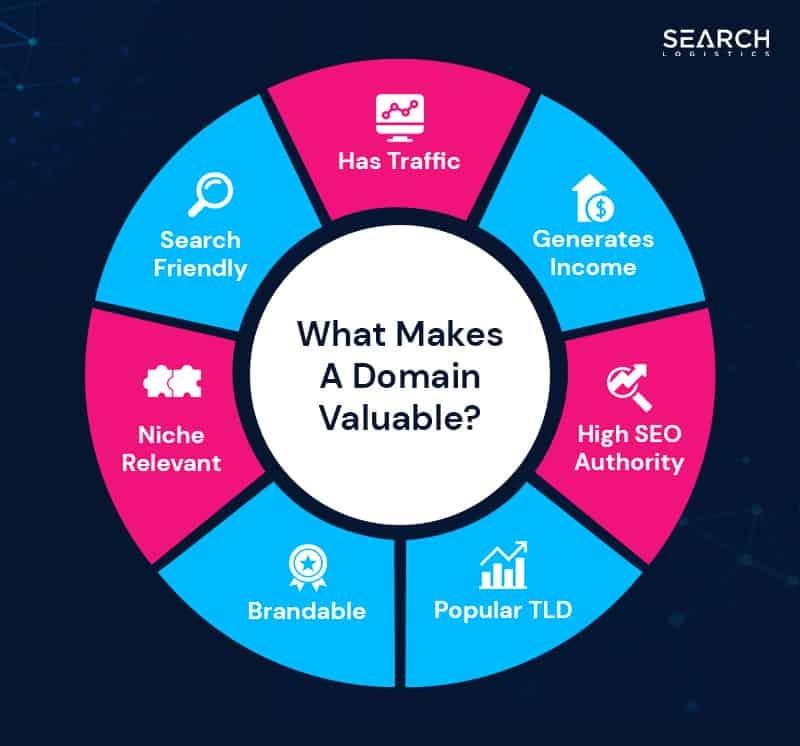
Success in domain flipping also requires an understanding of valuation techniques. Factors influencing a domain’s market price typically include:
| Factor | Description |
|---|---|
| Keyword Value | Domains containing popular or keyword-rich phrases can command higher prices. |
| Length | Short, memorable domains are frequently enough more valuable and easier to sell. |
| Extension | The .com extension is generally the most sought-after, but niche domains can also hold meaningful value. |
Identifying Valuable Domains: Tips for Effective Research
Finding the right domain can make all the difference in the world of domain flipping. Start by leveraging various tools and resources to gauge the existing value of a domain. SEO metrics such as Domain Authority (DA) and Page Authority (PA) can provide insights into a domain’s potential performance in search engine rankings. Tools like moz, Ahrefs, and SEMrush are invaluable for analyzing these metrics. Additionally, consider the age of the domain; older domains tend to have more credibility and established backlinks, making them potentially more valuable.
Another critical aspect to examine is the history of the domain. Using platforms like wayback Machine helps you trace the previous content associated with the domain.This insight can reveal whether the domain has a negative history, such as being penalized by search engines. You should also check the previous ownership to avoid domains that were associated with spam or unethical practices. Moreover, find out if the domain has been dropped recently, as freshly available domains can sometimes be registered again, potentially unlocking hidden value.
Lastly,don’t underestimate the importance of a domain’s marketability and branding potential. A memorable and short domain name is more likely to be desirable. Analyze keywords embedded within the domain that could attract potential buyers.Furthermore, consider the extensibility of the domain name; a name that can evolve with trends or can accommodate various niches will fetch a higher price. Keeping these factors in mind will enhance your chances of identifying domains that not only have value but can also provide good returns on investment.

The Art of Valuation: How to Determine Domain Worth
Understanding how to evaluate a domain name is crucial for anyone interested in domain flipping. Factors such as length, keywords, and brandability contribute significantly to a domain’s overall value. Shorter domain names tend to be more desirable due to their memorability and ease of typing. Similarly, domains that include popular keywords can attract more traffic, which is an essential consideration for potential buyers. Consider the following aspects when determining value:
- Keyword Relevance: Does the domain contain industry-related keywords that could enhance search engine visibility?
- Brand Potential: Is the domain easy to pronounce and spell, making it ideal for branding?
- Extension Type: Does it end in a popular extension like .com, .net,or .org, which generally hold more value?
Market trends also play a vital role in a domain’s value. Keeping an eye on similar domains that have sold recently can provide valuable insights into current pricing dynamics. Platforms like Sedo and Flippa can offer comparative sales data. Here’s a simple table outlining some recently sold domains and their sale prices for swift reference:
| Domain Name | Sale Price | Sale Date |
|---|---|---|
| ShopNow.com | $500,000 | August 2023 |
| FitnessGuru.net | $45,000 | September 2023 |
| TravelWise.org | $25,000 | July 2023 |
consider assessing the domain’s history through online tools that reveal previous ownership and its usage. A domain with a clean history, devoid of penalties or disputes, is frequently enough more valuable. Additionally, checking the domain’s backlinks can help gauge its SEO potential. All these factors combined will lead to a well-rounded evaluation, ensuring that you set a competitive price that reflects the true worth of the domain in today’s marketplace.
Strategies for Successfully Buying and Selling Domains
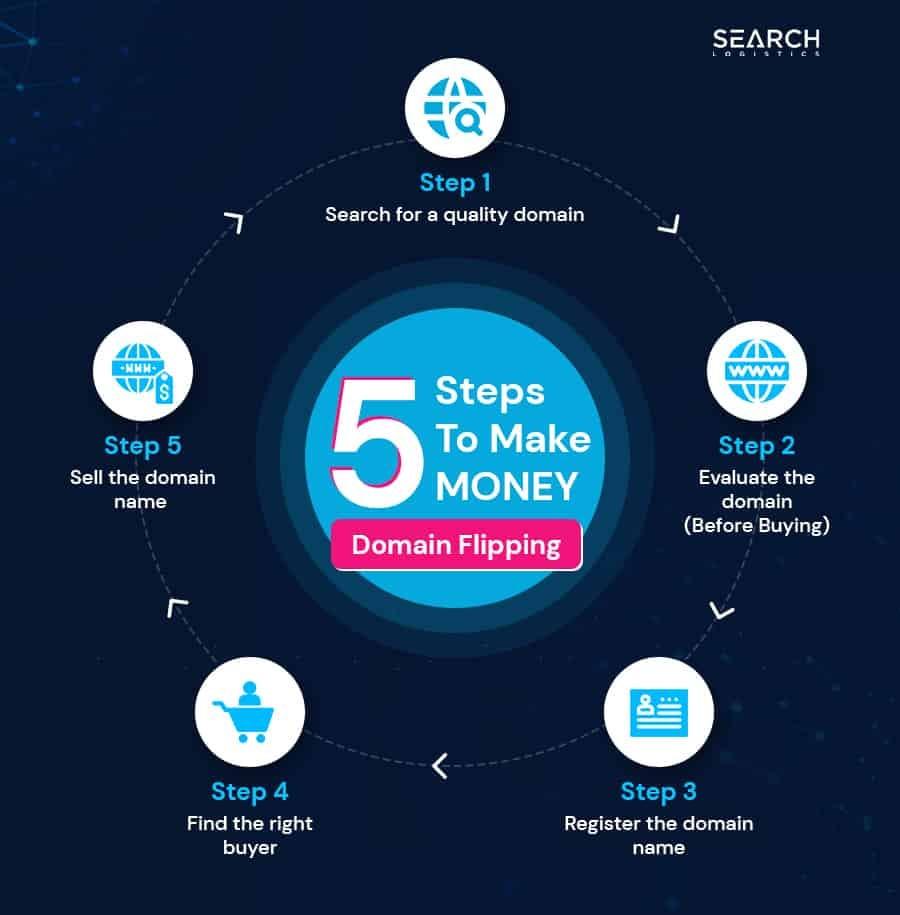
When it comes to buying and selling domains, having a well-crafted strategy can mean the difference between a profitable venture and a financial loss. One of the fundamental approaches is conducting thorough market research. Understand current trends and desired keywords by exploring platforms like Google Trends and keyword research tools. This insight allows you to identify niches with high potential. Additionally, pay attention to domain extensions; while .com remains the most popular,niche extensions can offer unique opportunities.
Another critical aspect is establishing a budget and sticking to it. Define clear financial limits for both purchasing and selling domains. Here are some key considerations for your budget strategy:
- Set a maximum buying price based on cost-per-click (CPC) analysis.
- Evaluate the selling price based on comparative analysis of similar domains.
- Factor in additional costs, such as renewal fees and marketplace commissions.
Lastly, leveraging the right platforms to buy and sell domains can significantly increase your chances of success. Utilize well-known marketplaces like sedo, GoDaddy Auctions, and Namecheap to list your domains.Consider creating a personal website or blog to showcase your portfolio. Here’s a quick look at popular platforms and their features:
| Marketplace | Features |
|---|---|
| Sedo | Wide reach, auction services, and buyer protection. |
| godaddy Auctions | Large user base, trusted brand, and bidding options. |
| Namecheap | User-amiable interface and competitive pricing. |

Navigating Legal Considerations in Domain Flipping
When engaging in domain flipping, it is essential to understand the legal landscape that governs your transactions. Licensing issues and intellectual property rights can significantly impact your potential profits. Make sure to familiarize yourself with the Uniform Domain-Name Dispute-Resolution Policy (UDRP), which provides a framework for resolving disputes over domain names. A solid grasp of trademark laws is equally crucial, as buying or selling domains that infringe on existing trademarks can lead to legal challenges.To safeguard your investments,consider conducting thorough research on the domains you plan to buy and sell.
Another key aspect to consider is the transfer process itself.Be aware of the legal documents typically required to facilitate a smooth and compliant transfer. Below are essential documents frequently enough involved in a domain transfer:
- Purchase Agreement: Outlines the terms of the sale.
- Domain Transfer Authorization: Confirms the seller’s consent for the transfer.
- Proof of Ownership: Validates the seller’s rights to sell the domain.
keep an eye on the tax implications of your domain flipping activities. Different jurisdictions may treat profits from domain flipping differently, affecting the overall profitability of your ventures. Here’s a simple table to illustrate some common tax considerations:
| Activity | Possible Tax Implications |
|---|---|
| Buying domain names | Potentially deductible as a business expense. |
| Selling domain names | Subject to capital gains tax on profits. |
By navigating these legal considerations effectively, you can enhance your chances of success in the domain flipping business while minimizing risks associated with disputes and tax liabilities.
Q&A
Domain Flipping Q&A
Q: What is domain flipping?
A: Domain flipping is the practice of buying domain names at a low price and selling them later at a profit. This often involves identifying trending keywords or appealing brand names that might be in demand.The goal is to purchase domains that can appreciate in value over time, then resell them to interested buyers.
Q: How do I get started with domain flipping?
A: To dive into domain flipping, start by researching the market. Look for available domain names that are short, catchy, and relevant to current trends or business niches. Websites like GoDaddy, Namecheap, and Sedo are excellent platforms for browsing domain availability. Once you purchase a domain, enhance its value by improving its online presence, such as developing a simple website or establishing it on social media.
Q: What should I look for when buying a domain?
A: For accomplished domain flipping, consider these key factors:
- Length: Shorter domain names are typically more valuable.
- Keywords: Domains that include popular search terms can attract more buyers.
- Extension: While .com domains are often preferred, other extensions like .net or .co can still hold value.
- Brandability: Choose domains that can easily be branded or have a clear purpose.
- History: Check if the domain has a good history, as those with negative pasts could affect your sale.
Q: How can I sell a domain effectively?
A: Selling a domain requires strategic marketing. Use domain marketplaces like Flippa or Afternic to list your domain, and ensure you provide a clear, compelling description.Leverage social media and online forums to spread the word. Networking with potential buyers and being responsive during negotiations can also enhance your selling chances.
Q: What are the risks associated with domain flipping?
A: Like any investment, domain flipping carries risks. Not all purchased domains will appreciate in value, and it may take significant time to sell a domain at a profitable price. Additionally, market trends can shift rapidly, impacting the demand for certain domains. it’s crucial to stay informed and adapt your strategies accordingly.
Q: How much can I earn from domain flipping?
A: Earnings in domain flipping can vary widely. Some flippers make hundreds or even thousands of dollars from a single sale, while others may only break even. Success often depends on your ability to identify valuable domains and market them effectively. With practice and research, your potential profit can grow significantly over time.
Q: Do I need special skills to become a successful domain flipper?
A: While you don’t need formal credentials, a good understanding of market trends, keyword research, and negotiation skills can greatly enhance your chances of success in domain flipping. Additionally, familiarity with domain registration and sales platforms will be beneficial. Continuous learning and staying updated on industry developments are key to thriving in this space.
Q: Is domain flipping legal?
A: Yes, domain flipping is legal as long as you adhere to trademark laws and avoid registering domain names that infringe on existing trademarks. It’s crucial to conduct due diligence checking to ensure that your domain choices do not violate anyone’s intellectual property rights.
Q: Can I automate the domain flipping process?
A: While some aspects of domain flipping can be automated,such as using software to monitor domain availability or auction prices,active involvement is frequently enough needed to make informed purchases and conduct negotiations. building relationships in the domain community and understanding potential buyer interests require a personal touch.
future Outlook
As we conclude our exploration of domain flipping,it’s clear that this digital marketplace offers both challenges and opportunities for savvy entrepreneurs. Whether you’re just dipping your toes into the world of buying and selling domains or you’re a seasoned flipper looking to refine your strategy, understanding the ins and outs of this practice can be your greatest asset. The key lies in researching potential domains,assessing their value,and recognizing trends in a constantly evolving digital landscape. so, whether you aim to build a flourishing side hustle or dive into full-scale domain investments, remember that success in domain flipping demands patience, creativity, and a keen eye for potential. As you embark on your domain flipping journey, keep learning, stay adaptable, and embrace the thrill of the hunt-your next big score might just be one clever purchase away. happy flipping!