

Table of Contents
- Understanding Domain Flipping and Its Growing Popularity
- Identifying Valuable Domains: Key Traits to Look For
- Strategic Buying and Selling: Maximizing Your Profits
- Navigating Legal and Ethical Considerations in Domain Flipping
- Tools and Resources for Successful Domain Flipping Ventures
- Q&A
- To Conclude
Understanding Domain Flipping and Its Growing Popularity
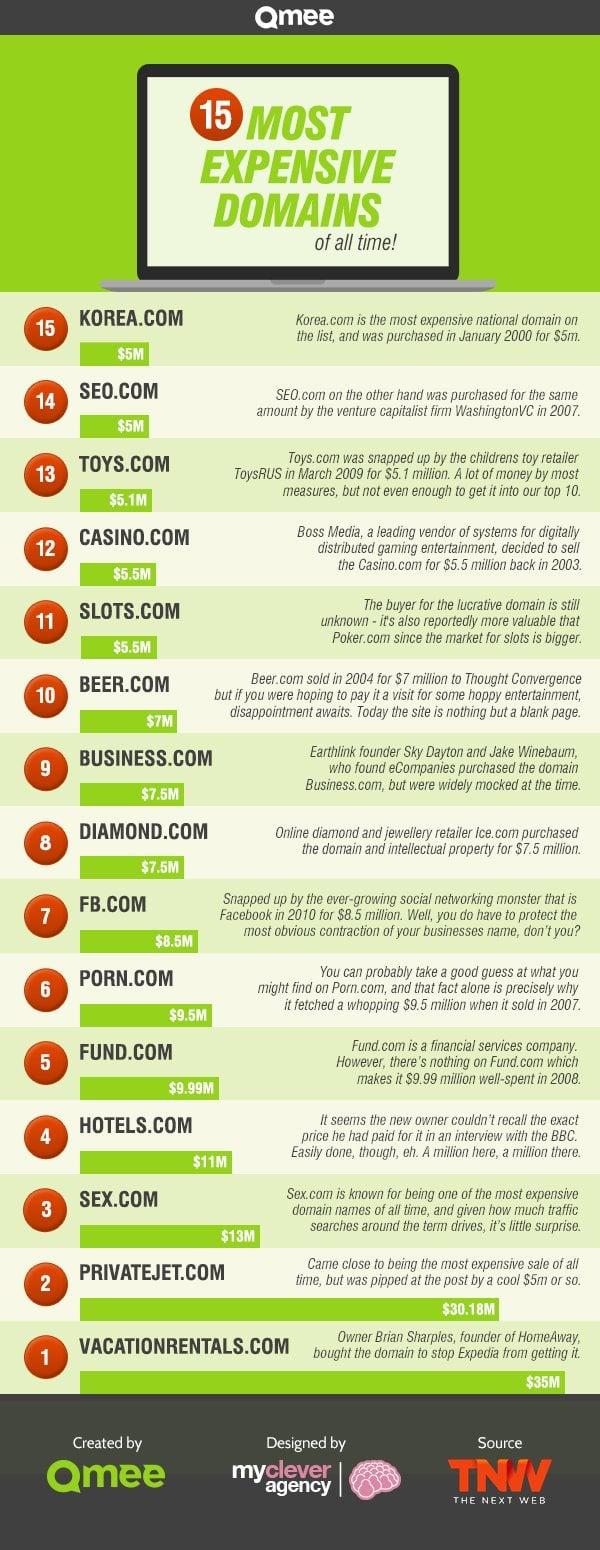
Domain flipping involves purchasing domain names at a low price and reselling them for a profit. This practice has surged in popularity due to the increasing value placed on online presence and branding. Investors have recognized that a catchy, memorable domain name can significantly impact a business’s visibility and perceived credibility online. As businesses increasingly transition to digital platforms, the demand for premium domain names also rises, making domain flipping an attractive venture for entrepreneurs.
One of the key reasons for the appeal of this market is its relatively low barrier to entry. Unlike traditional real estate, where substantial capital is required, domain flipping can be initiated with a minimal financial outlay. Here are a few compelling factors driving its popularity:
- Low startup costs: Securing a domain name typically requires only a small registration fee.
- High profit potential: Domains can be sold for thousands or even millions, depending on their desirability.
- Market demand: With the rise of e-commerce and online businesses, the hunt for valuable domain names is ever-growing.
Additionally, the advent of platforms dedicated to buying and selling domain names has made transactions more accessible than ever. Websites such as Sedo and Sell My Domain provide tools that facilitate the process, allowing individuals to showcase their domains to a global audience. Understanding market trends and utilizing appropriate valuation strategies can further enhance profitability:
| Valuation Strategy | Description |
|---|---|
| Keyword Relevance | Domains containing popular keywords are often more valuable. |
| Brandability | Memorable and concise names attract higher bids. |
| Domain Extension | Popular extensions, like .com, generally yield better sales. |
Identifying Valuable Domains: Key Traits to Look For
When it comes to identifying domains that hold potential value, there are several key traits to keep in mind. A domain’s length plays a crucial role; shorter domains are often easier to remember and can be more appealing to buyers. Establishing a good balance between brevity and clarity ensures that the domain aligns well with its intended use. Furthermore, having a domain that includes relevant keywords can boost its visibility and SEO performance, particularly if those keywords reflect a popular niche or industry.
Another important attribute is the age of the domain. Older domains tend to have more authority and trust within search engines, which can make them inherently more valuable. You should consider domains that have had a consistent history without a significant history of penalties. Additionally, checking the domain’s backlink profile is vital. A strong, diverse backlink profile can significantly increase the domain’s worth, as it indicates that the domain was once linked to reputable sources.
the extension of a domain can greatly impact its value. While .com domains are often seen as premium, other extensions like .net, .io, and .co can also be valuable, especially in specific sectors. Here’s a quick overview:
| Domain Extension | Value Indicators |
|---|---|
| .com | High demand, broad appeal |
| .net | Good for tech-related areas |
| .io | Popular among tech startups |
| .co | Short and recognizable |
Taking all these factors into account can lead to identifying domains that not only look promising on paper but are also likely to attract a potential buyer looking for quality and relevance.
Strategic Buying and Selling: Maximizing Your Profits
In the realm of domain flipping, strategic buying and selling is crucial for maximizing your profits. The foundation of this practice lies in identifying undervalued domain names and securing them at a low cost. This requires diligent research to ensure the domains have potential desirability, which may include analyzing factors like keyword popularity, domain length, and extension (.com, .net, etc.). Taking the time to assess trends and understanding target markets can significantly enhance your chances of acquiring valuable assets that will appreciate over time.
Once you’ve secured attractive domains, the next step is to develop an effective selling strategy. This involves setting the right price based on comparative analysis and perceived value. It’s advisable to consider factors such as the domain’s search engine optimization (SEO) potential, history, and the current market demand. Utilizing platforms designed for domain sales can also amplify your reach. Here are some key tips for setting your pricing:
- Research Comparables: Look for similar domain sales to gauge market value.
- Highlight Unique Features: If your domain includes popular keywords or is an easy-to-remember name, emphasize this in your listing.
- Flexibility: Be open to negotiation with potential buyers to close deals effectively.
Furthermore, marketing your domains effectively can significantly influence sales. Building a professional online presence, utilizing social media platforms, and leveraging SEO strategies can attract potential buyers. Hosting a well-structured portfolio showcasing your domains with clear descriptions can create interest and trust among buyers. Below is a simple table highlighting effective marketing methods:
| Method | Description |
|---|---|
| SEO Optimization | Incorporate target keywords to improve visibility in search engines. |
| Social Media Campaigns | Promote domains on platforms like Twitter, Facebook, and LinkedIn to tap into diverse audiences. |
| Email Marketing | Reach out to potential buyers directly with personalized offers. |

Navigating Legal and Ethical Considerations in Domain Flipping
Engaging in domain flipping requires a solid understanding of the legal landscape, as the internet is rife with regulations and guidelines that govern how domains can be bought, sold, and transferred. Trademark infringement is one of the most common legal pitfalls. Flippers must ensure that the domains they acquire do not unintentionally infringe on existing trademarks. Using a domain name that too closely resembles a well-known brand can lead to legal disputes, which not only risk financial loss but can also permanently stain one’s professional reputation. Flippers should conduct thorough searches to confirm that the selected domain is free from trademark conflicts.
Beyond trademark issues, ethical considerations loom large in the realm of domain flipping. It is crucial to maintain integrity throughout the buying and selling process. This includes transparent pricing, honest advertising, and responsiveness to potential buyers or sellers. Using deceptive practices, such as artificially inflating prices or hiding domain history, may yield short-term profits but can damage trust and lead to negative reviews that affect future transactions. Building a reputable brand within the domain flipping community requires commitment to ethical standards and respect for fellow flippers.
Furthermore, there are practical aspects to consider when navigating the domain flipping arena. Keeping track of important metrics related to your domain investments is vital for informed decision-making. Below is a simple table highlighting key metrics every flipper should monitor:
| Metric | Description |
|---|---|
| Purchase Price | Initial cost paid for the domain. |
| Selling Price | Final price received upon selling the domain. |
| Cycle Time | Duration from purchase to sale of the domain. |
| Traffic Stats | Analytics related to the domain’s visitor traffic. |
By understanding these legal and ethical considerations, potential domain flippers can navigate the complexities of the market with greater confidence and creativity.

Tools and Resources for Successful Domain Flipping Ventures
To thrive in the domain flipping business, utilizing the right tools and resources is essential. A robust domain management platform can streamline your acquisition and sale processes, while also providing vital insights into market trends. These platforms typically offer features such as domain valuation, keyword suggestions, and competitive analysis, allowing you to make informed decisions. Popular choices include:
- GoDaddy Auctions: A well-known marketplace for buying and selling domains.
- Flippa: An online platform specializing in the sale of websites and domains.
- BrandBucket: A marketplace for unique, brandable domain names.
Furthermore, utilizing SEO tools can significantly enhance your domain flipping potential. They can help you identify trending keywords, assess domain performance, and find valuable niches to invest in. Some noteworthy SEO resources include:
- Ahrefs: Excellent for analyzing backlinks and keywords.
- SEMrush: Provides comprehensive keyword research and competitor analysis.
- Google Trends: A free tool to track the popularity of search queries over time.
Lastly, consider leveraging social media and online communities to expand your network. Engaging with fellow domain flippers can provide valuable insights, tips, and potential partnerships. Platforms where you can find such communities include:
- Facebook Groups: Join domain flipping groups for advice and leads.
- Reddit: Subreddits like r/domainflipping offer discussions and resources.
- LinkedIn: Network with professionals who are experienced in the domain business.
Q&A
What is Domain Flipping? A Creative Q&A
Q1: What exactly is domain flipping?
A: Domain flipping is the process of buying web domain names at a relatively low price and then selling them at a higher price for profit. Think of it as the digital equivalent of real estate investing—you’re essentially trading in virtual real estate.Q2: How does one get started in domain flipping?
A: To start domain flipping, you’ll want to research and identify potentially valuable domain names. Look for names that are short, memorable, and have keywords related to popular trends or industries. Once you’ve acquired a domain, you can either wait for the right buyer or market it actively on domain selling platforms.Q3: What makes a domain name valuable?
A: The value of a domain name stems from various factors, including its length, keyword relevance, brandability, and extension (like .com, .org, etc.). Short, catchy names that resonate with businesses or trends tend to sell for higher prices. Conducting keyword research can also help you identify what domains are in demand.Q4: Are there any risks involved in domain flipping?
A: Yes, like any investment, there are risks. The market can be unpredictable, and not every domain you purchase will appreciate in value. Additionally, there’s a possibility that you may struggle to find a buyer, or the selling price may not cover your initial investment costs. It’s essential to do your homework and understand market trends.Q5: How can I effectively market my domain for sale?
A: Marketing your domain can be done through several channels. List it on popular domain marketplaces like GoDaddy Auctions, Sedo, or Flippa. You can also use social media platforms and forums in the entrepreneurial space. Engaging with potential buyers can provide insights into what they value in a domain, helping you position your domain favorably.Q6: Is domain flipping a sustainable source of income?
A: While many people have made money through domain flipping, it often requires time, effort, and a good understanding of market dynamics. For some, it can become a full-time venture, while for others, it may serve as a profitable side hustle. Success largely depends on your ability to spot good deals and successfully navigate the buying and selling process.Q7: What are some tips for successful domain flipping?
A: Here are a few essential tips:- Research extensively: Understanding current market trends can make a significant difference.
- Be patient: Don’t rush to sell; sometimes the best offers come in time.
- Invest wisely: Start with a moderate budget and gradually increase as you gain experience.
- Network: Connect with other domain flippers and industry experts to share insights and opportunities.
Q8: What tools or resources can help my domain flipping journey?
A: There are many tools and resources available for aspiring domain flippers. Use domain appraisal tools to evaluate potential value, and websites like NameBio can provide market data on past sales. Additionally, joining online forums or communities focused on domain investing can offer invaluable tips and tricks from seasoned flippers.Q9: Can anyone become a successful domain flipper?
A: Absolutely! While experience can provide an edge, anyone with dedication, research skills, and a willingness to learn can become a successful domain flipper. Education is key—immerse yourself in the world of domain names, stay updated on trends, and don’t shy away from seeking advice from others in the field. domain flipping can be an exciting venture for those looking to make a profit in the online world. With the right knowledge, strategy, and patience, you can turn virtual assets into tangible income!To Conclude
domain flipping is more than just a digital hustle; it’s a captivating blend of strategy, creativity, and market insight. As we venture into an increasingly online world, understanding the dynamics of domain value and the art of negotiation can unlock lucrative opportunities for aspiring entrepreneurs. Whether you’re looking to turn a small profit or dive headfirst into a full-fledged business, the principles of domain flipping can empower you to take control of your digital footprint. So, keep your curiosity alive, explore emerging trends, and remember: with the right knowledge and dedication, your next big deal could be just a domain away. Happy flipping!