

Table of Contents
- Understanding the Benefits of Buying Domains via API
- Essential Features to Look for in a Domain API
- Step-by-Step Guide to Successfully Purchasing Domains Through API
- Best Practices for Integrating Domain API into Your Workflow
- Maximizing Your Domain Management Strategy with API Solutions
- Q&A
- Insights and Conclusions
Understanding the Benefits of Buying Domains via API
One of the main advantages of purchasing domains through an API is the enhanced efficiency it brings to the buying process. By leveraging automated systems, businesses can quickly browse, compare, and acquire domains without the tedious manual input required in traditional domain registration methods. This streamlined approach not only saves time but also reduces the likelihood of human error during the registration, ensuring that the intended domain is secured swiftly and accurately.
Additionally, buying domains via API offers greater flexibility in managing domain portfolios. Users can easily integrate domain procurement into their existing software or platforms, allowing for the automation of various actions such as renewals, transfers, and updates. This capability can be particularly beneficial for businesses managing multiple domains, as it simplifies monitoring and keeps all registrations organized in one cohesive system. By utilizing an API, users are empowered to customize their domain management strategies according to their unique business needs.
Moreover, accessing domains through an API can lead to cost savings. APIs often provide competitive pricing options that standard domain registrars may not offer. By eliminating the middleman and allowing for direct interactions with domain registries, businesses can secure better deals. Additionally, the potential for integration with other services like website hosting and email can further enhance savings by consolidating multiple services into a single payment.
| Benefit | Description |
|---|---|
| Efficiency | Quick domain acquisition through automated processes. |
| Flexibility | Seamless management and integration with existing systems. |
| Cost Savings | Competitive pricing and consolidation of services. |
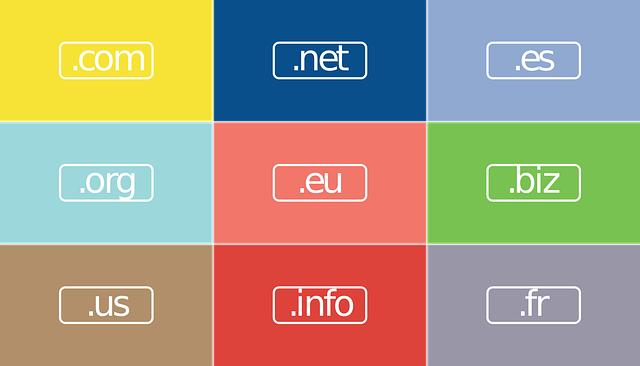
Essential Features to Look for in a Domain API
When integrating a domain API into your application, several key features should be at the forefront of your decision-making process. Firstly, comprehensive domain search capabilities are essential. This feature allows users to easily find available domains by searching through various extensions and modifications. A powerful search tool should offer advanced filters to categorize results based on criteria such as length, keyword inclusivity, and TLD (top-level domain) preference, helping users to swiftly locate their ideal domain names.
Secondly, consider the registration and management functionality provided by the API. The best APIs enable seamless registration processes while also allowing for efficient domain management tasks. Users should be able to modify DNS settings, renew domains, and transfer ownership directly through the API without needing to navigate multiple platforms. Look for providers offering comprehensive documentation that outlines how to efficiently perform these tasks programmatically.
Lastly, strong security features cannot be overlooked. Ensure that the API supports secure authentication methods to protect user data and transactions. Features such as two-factor authentication, domain locking to prevent unauthorized transfers, and SSL certificates are pivotal in maintaining trust and security in your domain purchases. When evaluating APIs, a thorough understanding of their security protocols will be vital for safeguarding sensitive client information.

Step-by-Step Guide to Successfully Purchasing Domains Through API
When diving into the world of domain purchasing through an API, the first step is establishing your API connection. Start by selecting a reliable domain registrar that offers API services. After registering for an API key, ensure you review their documentation thoroughly. This will guide you through endpoints, methods, and parameters required for your requests, making it easier to implement the necessary features in your application.
Once your connection is set up, the next step is to search for available domains. Utilize the registrar’s API endpoint to check domain availability. This process can be automated by sending a request that includes the domain name you’re interested in. The API will return a response indicating whether the domain is available or already taken. Familiarize yourself with different options such as adding filters for domain extensions or price ranges to enhance your search effectiveness:
- Top-level domains (TLDs): .com, .net, .org
- Country code TLDs: .uk, .ca, .de
- New gTLDs: .tech, .xyz, .online
After identifying your desired domain, the final phase involves the actual purchase process. This typically requires sending a purchase request via the API, including necessary details like registrant information, privacy settings, and payment method. Below is a simplified view of the essential fields often necessary for successful domain registration:
| Field | Description |
|---|---|
| Domain Name | The name you wish to register (e.g., example.com) |
| Registrant Info | Contact details of the domain owner |
| NS Records | Nameserver settings for DNS management |
Ensuring all information is correctly entered and formatted will help streamline the purchasing process. After a successful submission, monitor the API response for confirmation of your order and any additional steps required to finalize the domain registration. This method not only simplifies the purchase but allows for automation, significantly enhancing your workflow.
Best Practices for Integrating Domain API into Your Workflow
Integrating a Domain API effectively into your workflow can streamline the process of buying domains, making it not only quicker but also more efficient. It’s crucial to choose the right API provider that aligns with your specific needs. Assess key factors such as reliability, documentation quality, and customer support. Prioritize APIs that offer comprehensive features, including bulk domain searches, registration management, and DNS management functionalities. This will create a more seamless experience when incorporating the API into your existing systems.
Once you’ve selected a suitable API, establishing a robust authentication process is essential. Most APIs require API keys or OAuth for secure access. It’s important to never expose your API keys publicly to protect your account from unauthorized access. Furthermore, consider implementing rate limiting to prevent your application from overwhelming the API servers, which could lead to temporary bans. Regularly reviewing your API usage and logs can help identify any anomalies and enhance security.
keep your implementation flexible allowing for easy adjustments as your needs evolve. Implementing a modular design can facilitate updates and changes without major disruptions. Use error handling and monitoring tools to track API interactions and quickly address failures or mismatches in your requests. This proactive approach not only enhances user experience but also establishes trust in your domain buying process. Below is a simple table highlighting key features to compare different Domain APIs:
| Feature | API Provider A | API Provider B | API Provider C |
|---|---|---|---|
| Bulk Domain Search | Yes | Yes | No |
| DNS Management | Yes | No | Yes |
| Customer Support | 24/7 | Limited | 24/7 |

Maximizing Your Domain Management Strategy with API Solutions
Incorporating API solutions into your domain management strategy can revolutionize the way you handle domain purchases and administration. By utilizing APIs, you streamline processes, allowing for seamless integration with your existing systems. This automation not only reduces the potential for human error but also saves valuable time, enabling you to focus on more strategic initiatives. Consider the following benefits:
- Efficiency: Automate repetitive tasks, such as querying domain availability or managing DNS records.
- Scalability: Easily manage a growing portfolio of domains without the need for additional personnel.
- Flexibility: Customize your domain management processes to fit your unique business needs.
Moreover, API-driven solutions provide real-time updates and powerful analytics, giving you access to vital information at your fingertips. You can monitor domain performance, track renewal deadlines, and receive alerts on any changes that may occur. To visualize this, consider the following example of key performance indicators you might monitor through an API:
| Domain Name | Status | Expiration Date | Traffic Volume |
|---|---|---|---|
| example.com | Active | 2024-11-15 | 1500 visits/month |
| sample.org | Pending Renewal | 2023-12-20 | 520 visits/month |
| mywebsite.net | Inactive | N/A | 0 visits/month |
By adopting an API-centric approach to domain management, businesses can not only enhance operational efficiencies but also gain a competitive edge. The ability to make data-driven decisions based on real-time information will empower you to stay ahead in the fast-paced digital landscape. As you explore the possibilities of buying domains via API, you will find that the potential applications are limited only by your imagination and integration capabilities.
Q&A
Q&A: Buying Domains via API
Q: What is an API and how does it relate to domain purchasing?
A: An API, or Application Programming Interface, is a set of rules that allows one piece of software to interact with another. When it comes to buying domains, APIs enable developers to integrate domain registration and management functionalities directly into their applications or websites. This means you can automate the process of purchasing and managing domains without manual intervention.Q: Why should I consider buying domains via API instead of traditional methods?
A: Using an API to buy domains offers several advantages, including speed and automation. Traditional methods often involve manual processes that can be time-consuming, whereas APIs allow for batch processing and immediate transactions. Additionally, APIs can provide real-time availability checks and reduce the risk of human error, making the domain purchasing process more efficient.Q: Who would benefit from using a domain purchasing API?
A: Businesses, web developers, and entrepreneurs who regularly register multiple domains would find domain purchasing APIs particularly beneficial. These tools are ideal for resellers, web hosting companies, and digital agencies looking to streamline their operations or enhance client services by providing seamless domain management solutions.Q: How do I get started with buying domains via API?
A: To start, you’ll need to choose a domain registrar that offers an API. After signing up and getting an API key, you can access the documentation provided by the registrar. This documentation will guide you on how to integrate the API into your systems, including checking domain availability, purchasing domains, and managing DNS settings.Q: What features should I look for in a domain purchasing API?
A: When selecting a domain API, consider features such as domain availability searches, bulk registration capabilities, WHOIS lookup, DNS management, and renewal automation. Moreover, look for a user-friendly documentation and strong customer support, as these can greatly enhance your integration experience.Q: Are there any costs associated with using a domain API?
A: Yes, most domain registrars charge fees associated with domain registrations, renewals, and transfers. Additionally, some may have API usage fees or may require a minimum monthly purchase. Always check the pricing structure of the registrar you choose to avoid unexpected costs.Q: Can I manage multiple domains with an API?
A: Absolutely! One of the key benefits of using a domain purchasing API is the ability to manage multiple domains seamlessly. You can automate tasks like renewals, DNS changes, and status updates for all your domains from a single interface, saving you time and reducing management complexity.Q: Is it secure to purchase domains via an API?
A: Yes, it is generally secure to purchase domains via API, provided you use a reputable registrar and follow best practices for security. This includes using secure connections (HTTPS), implementing API key restrictions, and regularly monitoring your account for any unauthorized activity.Q: What if I run into issues while using the API?
A: Most domain registrars provide extensive documentation and support for their APIs. If you encounter any issues, reach out to their customer support team for assistance. Additionally, community forums and user groups can be helpful resources for troubleshooting common challenges.Q: Are there alternatives to buying domains via API?
A: While buying domains via API is efficient for many, alternatives include using a standard registrar website or domain marketplace. These platforms often provide user-friendly interfaces for individuals or small businesses that may not require the automation that an API offers.Q: Can I transfer existing domains to an API-enabled registrar?
A: Yes, most registrars allow you to transfer existing domains to their API-enabled services. The process typically involves unlocking the domain at your current registrar and obtaining an authorization code, which you will then use to initiate the transfer. Always check the specific instructions of the registrar you plan to use. By leveraging the power of API technology for domain purchases, users can significantly optimize their workflows, ensuring they can focus more on growing their businesses while effectively managing their online presence.Insights and Conclusions
purchasing domains via API has revolutionized the way businesses and developers approach domain management. By embracing this technology, you unlock a world of convenience, speed, and flexibility, enabling you to focus on what truly matters: building and growing your online presence. Whether you’re a seasoned entrepreneur or a burgeoning web developer, integrating an API into your domain purchasing strategy can streamline your processes and enhance your overall efficiency. As the digital landscape continues to evolve, staying ahead with innovative solutions like these will not only save you time but also set you on a path to success. So, take the leap into the future of domain acquisition and empower your projects with the limitless possibilities that an API offers. Happy domain hunting!